Microsoft CEO Satya Nadella admits he's a token-maxer, too: "It's addictive"
"As AI models become more powerful, CEOs are sounding the alarm on over-reliance."
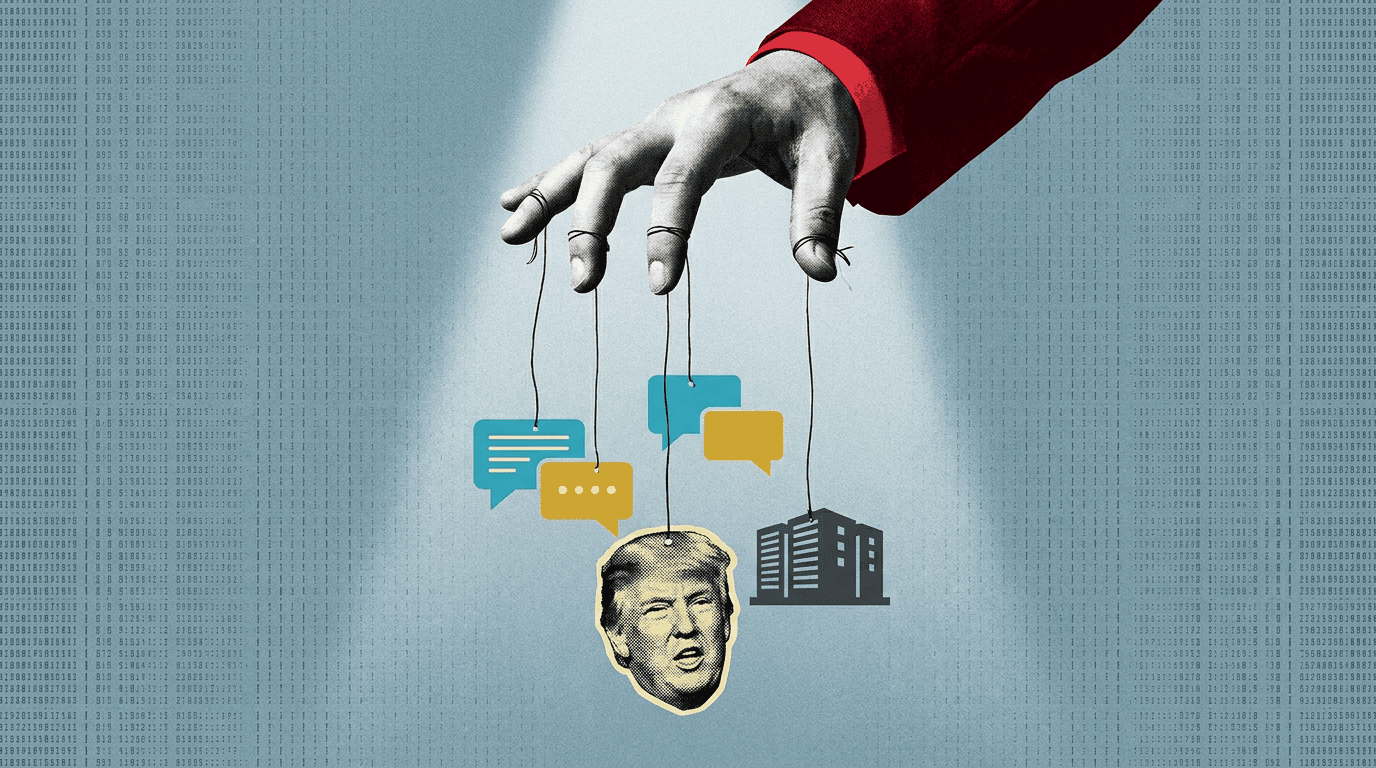
Microsoft CEO Satya Nadella cautions against "token-maxing" in an interview. Nadella's warning comes as the company invests heavily in AI development. The Microsoft CEO admits to being a token-maxer himself, acknowledging the addictive nature of relying on powerful AI models for every task. However, he argues that this approach is not sustainable and won't lead to real economic growth.
Nadella's comments highlight the growing concern among tech leaders about the responsible use of AI. As these models become increasingly powerful, there is a risk of over-reliance, which can lead to inefficiencies and stagnation. The Microsoft CEO emphasizes the need for a more nuanced approach, where AI is used judiciously to augment human capabilities, rather than simply relying on the most advanced models for every task.
The concept of token-maxing refers to the practice of using the most powerful AI models, regardless of the task at hand. This approach can be tempting, as it often yields impressive results. However, Nadella argues that it is essential to consider the marginal cost of productivity improvement and ensure that it matches the marginal cost of the token. In other words, the benefits of using a powerful AI model must outweigh the costs.
Nadella's vision for the future of programming is ambitious and far-reaching. He predicts that developers will no longer write code themselves but instead oversee hundreds or thousands of AI agents. This new core skill, which he calls "cognitive coverage," requires a deep understanding of the code written by these agents. The Microsoft CEO believes that this approach will revolutionize the field of programming, making it more efficient and effective.
However, this vision also raises important questions about the future of work and the role of human developers. As AI agents take on more responsibilities, there is a risk that human developers will become redundant. Nadella acknowledges this risk but argues that the work itself will change, rather than disappear. He emphasizes the need for developers to acquire new skills, such as cognitive coverage, to remain relevant in an AI-driven world.
The implications of Nadella's comments extend far beyond the tech industry. As AI becomes more pervasive, the issue of token-maxing will become increasingly relevant to businesses and organizations across various sectors. The Microsoft CEO's warning serves as a reminder that AI is a tool, not a panacea, and that its use must be carefully considered to achieve meaningful results.
In conclusion, Nadella's comments offer a nuanced perspective on the use of AI and the importance of responsible innovation. As the tech industry continues to evolve, it is essential to consider the potential risks and benefits of AI and to develop strategies that maximize its potential while minimizing its drawbacks. The Microsoft CEO's vision for the future of programming is ambitious and thought-provoking, and it highlights the need for a more informed and nuanced discussion about the role of AI in shaping our future.