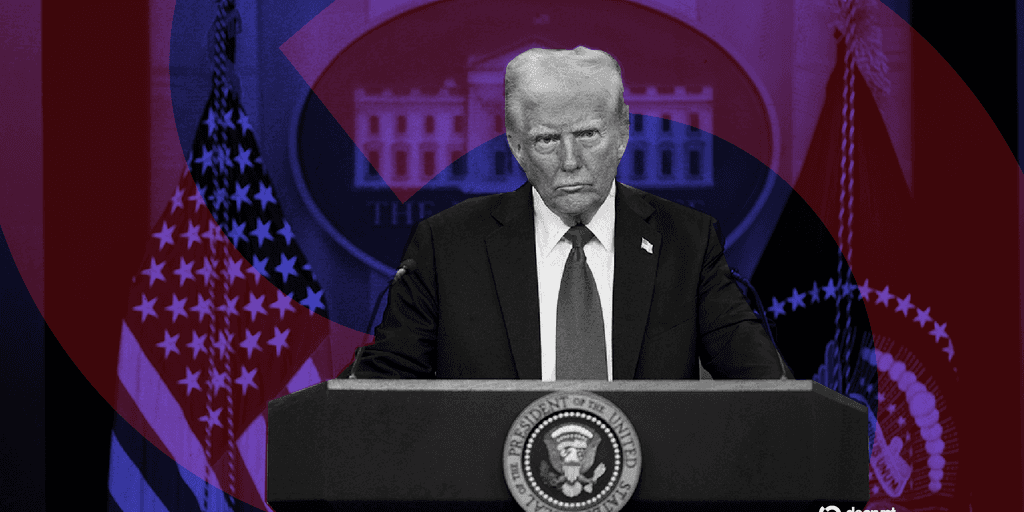
US government officials ordered Anthropic to pull its Claude Fable and Mythos AI models.
"Anthropic faces regulatory scrutiny over AI models. What's next for the company?"
The decision comes amidst growing concerns about the potential risks and implications of advanced AI technologies. Anthropic, a leading AI research company, developed Claude and Mythos as part of its efforts to create more sophisticated and human-like language models. However, regulators have raised questions about the potential misuse of these models, citing concerns over data privacy, security, and the potential for AI-generated content to be used for malicious purposes.
The US government's decision to order Anthropic to pull its AI models is a significant development in the ongoing debate about the regulation of AI technologies. In recent years, there has been a growing recognition of the need for more robust regulatory frameworks to govern the development and deployment of AI systems. This has been driven in part by concerns about the potential risks and implications of advanced AI technologies, including the potential for job displacement, bias, and other negative social impacts.
Anthropic's Claude and Mythos models are highly advanced language models that are capable of generating human-like text and engaging in conversation. They are part of a new generation of AI models that are designed to be more sophisticated and nuanced than earlier models, and they have the potential to be used in a wide range of applications, from customer service to content generation. However, they also raise significant concerns about the potential for AI-generated content to be used for malicious purposes, such as spreading disinformation or creating fake news stories.
The US government's decision to order Anthropic to pull its AI models is likely to have significant implications for the company and for the broader AI research community. It may also have implications for the development of regulatory frameworks to govern the use of AI technologies, and it highlights the need for more robust and effective regulation of the AI industry. In the coming months and years, it is likely that we will see a growing focus on the development of regulatory frameworks to govern the use of AI technologies, and a growing recognition of the need for more robust and effective regulation of the AI industry.
The development of advanced AI models like Claude and Mythos is a complex and challenging task that requires significant expertise and resources. Anthropic is one of a number of companies that are working on the development of advanced AI models, and its work in this area has been widely recognized as being at the forefront of the field. However, the development of AI models also raises significant concerns about the potential risks and implications of these technologies, and it highlights the need for more robust and effective regulation of the AI industry.
One of the key challenges in regulating AI technologies is the need to balance the potential benefits of these technologies with the potential risks and implications. AI has the potential to bring significant benefits in areas such as healthcare, education, and transportation, but it also raises concerns about the potential for job displacement, bias, and other negative social impacts. In order to address these challenges, it is likely that we will see a growing focus on the development of regulatory frameworks to govern the use of AI technologies, and a growing recognition of the need for more robust and effective regulation of the AI industry.
The US government's decision to order Anthropic to pull its AI models is a significant development in the ongoing debate about the regulation of AI technologies. It highlights the need for more robust and effective regulation of the AI industry, and it raises significant questions about the potential risks and implications of advanced AI technologies. In the coming months and years, it is likely that we will see a growing focus on the development of regulatory frameworks to govern the use of AI technologies, and a growing recognition of the need for more robust and effective regulation of the AI industry.
As the AI industry continues to evolve and grow, it is likely that we will see a growing focus on the development of regulatory frameworks to govern the use of AI technologies. This will require a nuanced and multifaceted approach that takes into account the potential benefits and risks of AI technologies, and that seeks to balance the need for innovation and progress with the need for safety and protection. It will also require a growing recognition of the need for more robust and effective regulation of the AI industry, and a growing focus on the development of regulatory frameworks that are tailored to the specific needs and challenges of the AI industry.
In conclusion, the US government's decision to order Anthropic to pull its AI models is a significant development in the ongoing debate about the regulation of AI technologies. It highlights the need for more robust and effective regulation of the AI industry, and it raises significant questions about the potential risks and implications of advanced AI technologies. As the AI industry continues to evolve and grow, it is likely that we will see a growing focus on the development of regulatory frameworks to govern the use of AI technologies, and a growing recognition of the need for more robust and effective regulation of the AI industry.