Live Updates: U.S.-Iran deal signed by Trump and Iranian negotiator, U.S. officials say
"Tensions ease as oil prices drop."
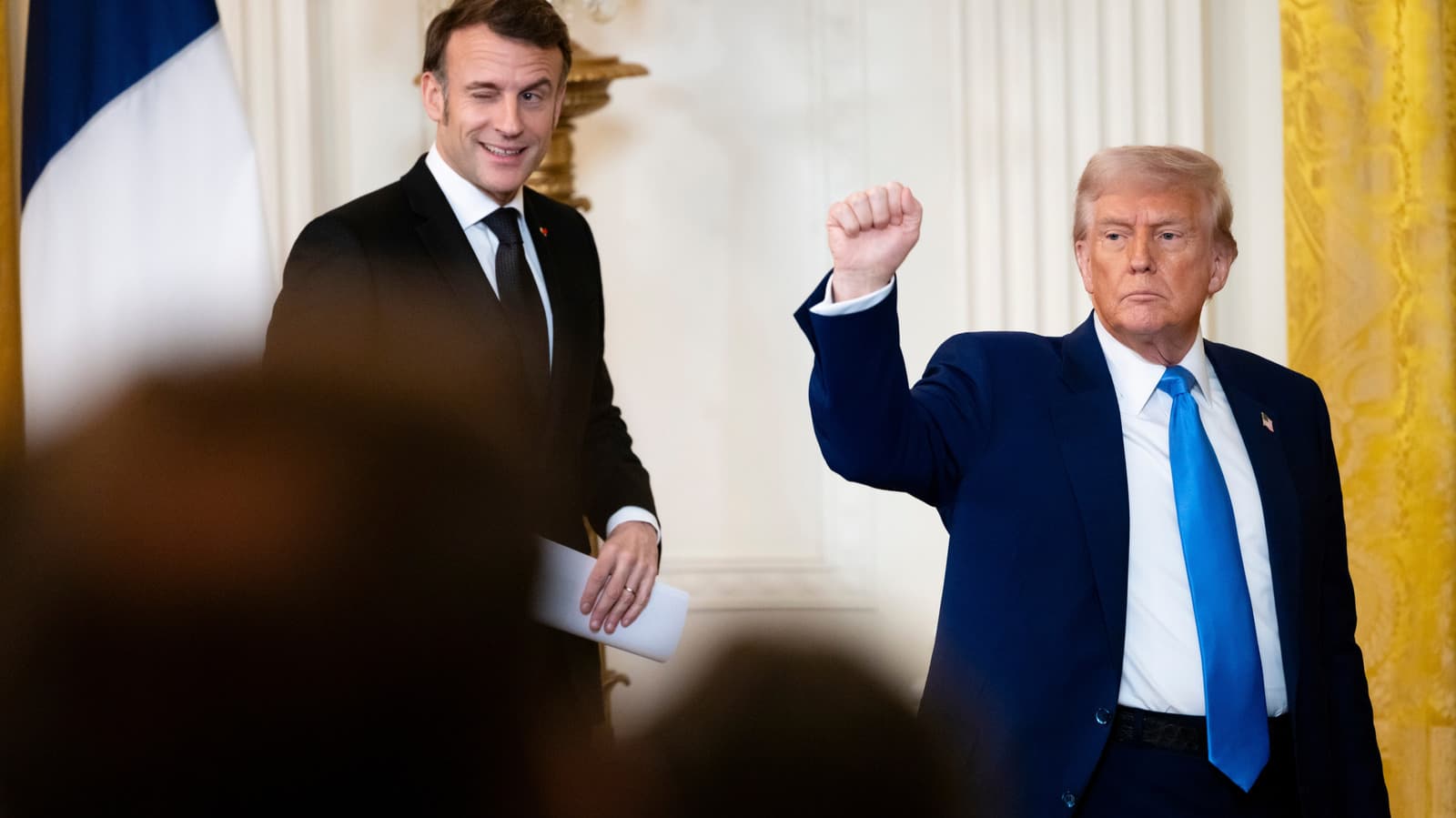
US President Donald Trump and an Iranian negotiator signed a deal in a surprise move. Trump announced the agreement, saying details would be released soon. The deal aims to end the war between the US and Iran, which started after Trump withdrew from the nuclear accord. According to US officials, the agreement includes the opening of the Strait of Hormuz, a crucial oil shipping route. The US-Iran conflict began in 2018 when Trump pulled out of the Joint Comprehensive Plan of Action, a nuclear deal signed by his predecessor, Barack Obama. The withdrawal led to a series of escalations, including the imposition of sanctions on Iran and attacks on US interests in the region. In recent months, tensions between the two countries have increased, with both sides engaging in a war of words and military posturing. The situation escalated in January when a US drone strike killed top Iranian military commander Qasem Soleimani, prompting Iran to retaliate with missile strikes on US bases in Iraq. The signing of the deal marks a significant shift in Trump's approach to Iran, which has been a key foreign policy issue during his presidency. Trump had campaigned on a promise to withdraw from the nuclear deal and take a tougher stance on Iran. However, the escalation of tensions has raised concerns about the potential for a wider conflict in the region. The deal is expected to have significant implications for the region and the global economy. The opening of the Strait of Hormuz is likely to ease concerns about oil supplies and lead to a decrease in oil prices. The agreement may also pave the way for further negotiations between the US and Iran on other issues, including terrorism and regional security. US officials have welcomed the deal, saying it marks an important step towards reducing tensions in the region. However, some lawmakers have expressed skepticism about the agreement, saying it does not address the underlying issues that led to the conflict. The Iranian government has also welcomed the deal, saying it marks a significant victory for the country's diplomatic efforts. Iranian officials have said that the agreement is a major achievement and demonstrates the country's ability to negotiate with world powers. The reaction from other countries in the region has been mixed. Some, such as Saudi Arabia and the United Arab Emirates, have expressed concerns about the deal, saying it does not address the underlying issues that led to the conflict. Others, such as Iraq and Oman, have welcomed the agreement, saying it marks an important step towards reducing tensions in the region. The deal is also likely to have significant implications for the global economy. The opening of the Strait of Hormuz is expected to ease concerns about oil supplies and lead to a decrease in oil prices. This could have a positive impact on the global economy, particularly for countries that rely heavily on oil imports. However, some analysts have warned that the deal may not be a long-term solution to the conflict. They say that the underlying issues that led to the conflict, including Iran's nuclear program and its support for militant groups, remain unresolved. Despite these concerns, the signing of the deal marks an important step towards reducing tensions in the region. It demonstrates that the US and Iran are able to negotiate and reach agreements, even in the face of significant challenges. The deal is also a significant achievement for Trump, who has made reducing tensions in the region a key priority. However, it remains to be seen whether the agreement will be able to withstand the challenges that lie ahead. In the coming weeks and months, the US and Iran will need to work together to implement the deal and address the underlying issues that led to the conflict. This will require significant diplomatic efforts and a commitment to reducing tensions in the region. The international community will be watching closely to see how the deal is implemented and whether it leads to a lasting reduction in tensions. The agreement has the potential to mark an important turning point in the region, but it will require sustained efforts from all parties involved to ensure its success. As the situation continues to evolve, one thing is clear: the signing of the deal marks an important step towards reducing tensions in the region. It demonstrates that even in the face of significant challenges, diplomacy can be an effective tool for resolving conflicts and promoting peace. In the end, the success of the deal will depend on the ability of the US and Iran to work together and address the underlying issues that led to the conflict. If they are able to do so, the agreement could mark an important turning point in the region, one that leads to a more peaceful and stable future for all parties involved.