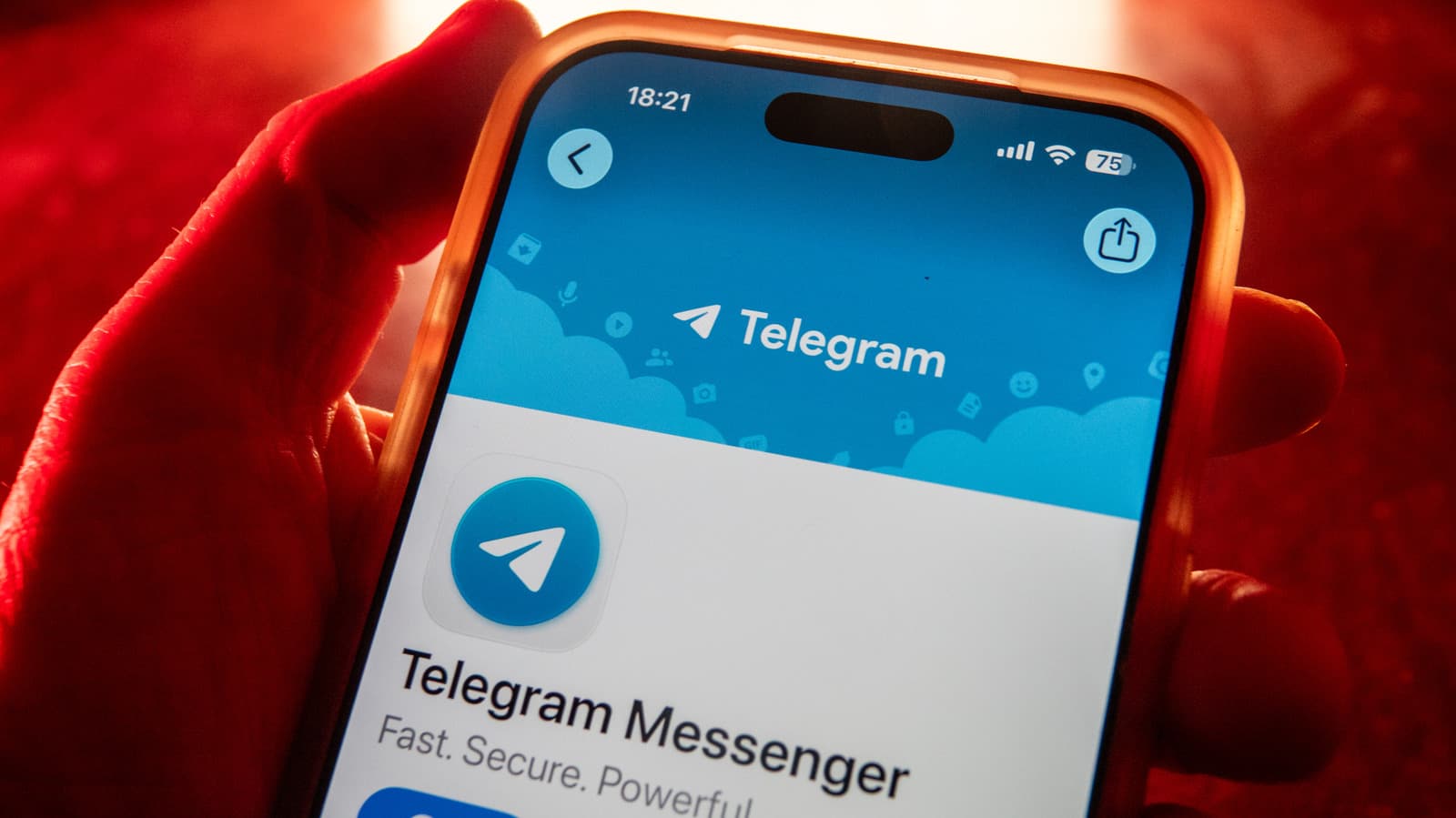
India has blocked Telegram until June 22. The move aims to prevent cheating in a key medical...
"Tension rises as millions of students await re-test results, amidst allegations of exam fraud and corruption."
The re-test is scheduled for June 21, after the initial test results were annulled due to alleged leaks on Telegram. The National Testing Agency found evidence that large sections of the paper may have been leaked and circulated on the platform prior to the test. This decision has sparked controversy, with many criticizing the government's approach to addressing exam fraud. The Internet Freedom Foundation called the ban a "band-aid solution" and "disproportionate" response to the issue. The foundation argued that the block would punish ordinary users instead of addressing the systemic source of exam leaks. The exam system has been under scrutiny, with India's primary opposition leader calling it "broken and corrupt". The Central Board of Secondary Education introduced an On-Screen Marking system to better grade the millions of answer sheets. However, the contract for this system went to a controversial firm, leading to discrepancies in the results and student outrage. One student discovered that the answer sheet he obtained was not even his, prompting further complaints and investigations. Another student exposed security vulnerabilities in the test marking portal, claiming he could edit marks. The government's decision to block Telegram has significant implications for the country's education system and freedom of expression. With over 84 million users in India, the ban will likely have a substantial impact on the platform's popularity and usage. The block also raises questions about the government's ability to balance security concerns with individual rights and freedoms. As the re-test approaches, students and educators are anxiously waiting to see how the situation unfolds. The outcome will not only affect the future of these students but also the credibility of India's education system. In the midst of this crisis, it is essential to consider the long-term consequences of such actions and their impact on the country's development. The Indian government must find a balance between maintaining security and protecting individual rights, ensuring that the education system is fair and corruption-free. Ultimately, the solution to exam fraud lies in addressing the systemic issues and implementing effective measures to prevent such incidents in the future. By doing so, India can ensure that its education system is robust, reliable, and provides equal opportunities for all students. The current situation serves as a wake-up call for the government to reassess its approach to education and take concrete steps to prevent such incidents. As the world watches, India's response to this crisis will be a testament to its commitment to providing quality education and upholding democratic values. The road ahead will be challenging, but with a proactive and inclusive approach, India can overcome these obstacles and emerge stronger. The fate of millions of students hangs in the balance, and it is crucial that the government takes immediate and effective action to address the issue. The future of India's education system depends on it, and the world is waiting to see how the country will respond to this critical challenge. In conclusion, the temporary block on Telegram is just the tip of the iceberg, and the Indian government must delve deeper to address the root causes of exam fraud and corruption. By taking a comprehensive and multi-faceted approach, India can create a fair, transparent, and corruption-free education system that benefits all students. The time to act is now, and the world is watching India's every move. The country's response to this crisis will have far-reaching implications, not only for its education system but also for its democratic values and commitment to individual rights. As the situation continues to unfold, one thing is certain – the future of India's education system is at stake, and the government must take immediate and decisive action to protect it.