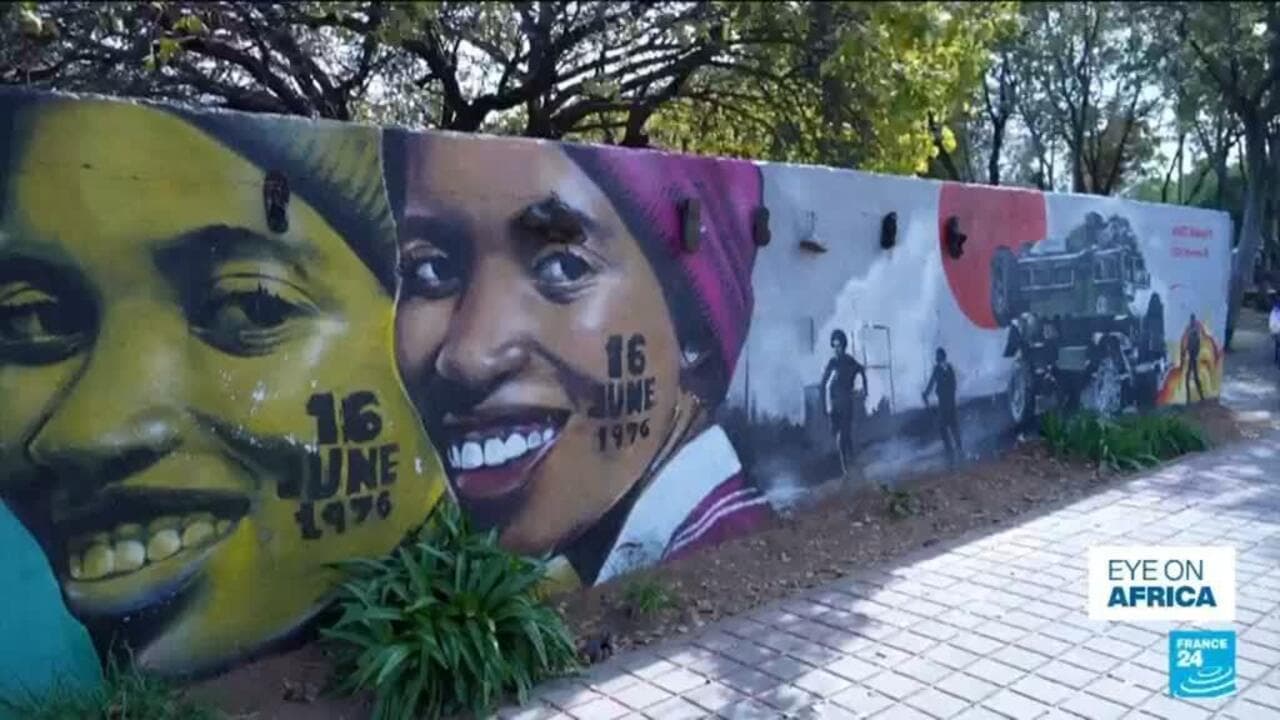
South Africa marked June 16 as the 50th anniversary of the Soweto uprising.
"Memories of bloody clashes still haunt survivors, fueling demands for justice."
The event was a pivotal moment in the country's fight against apartheid, a system of institutionalized racial segregation and discrimination enforced by the white minority government. On that day in 1976, thousands of students from Soweto, a township in Johannesburg, took to the streets to protest the introduction of Afrikaans as a medium of instruction in schools. The language was widely seen as a tool of oppression, and the students saw the move as an attempt to further entrench apartheid.
The protests began peacefully, with students marching and singing, but they were met with brutal force by the police. The police fired tear gas and live ammunition into the crowds, killing over 200 young people and injuring many more. The violence was widespread, with reports of police firing on unarmed students from helicopters and armored vehicles. The aftermath of the uprising was marked by a massive crackdown on dissent, with many students and activists arrested, tortured, and imprisoned.
Despite the violence and repression, the Soweto uprising marked a turning point in the struggle against apartheid. It galvanized opposition to the regime, both within South Africa and internationally. The event drew attention to the brutal nature of the apartheid system and helped to build a global movement to isolate and sanction the South African government. The uprising also inspired a new generation of activists, who would go on to play a key role in the fight against apartheid.
In the years that followed, the anti-apartheid movement gained momentum, with protests, boycotts, and armed resistance becoming increasingly common. The African National Congress (ANC), a liberation movement led by Nelson Mandela, became a key player in the struggle, using a combination of diplomacy, protest, and armed resistance to challenge the apartheid regime. The international community also began to take notice, with many countries imposing economic sanctions on South Africa and calling for the release of Mandela and other political prisoners.
Today, South Africa is a democracy, with a constitution that enshrines the rights of all citizens, regardless of race. However, the legacy of apartheid continues to be felt, with many communities still struggling with poverty, inequality, and lack of access to basic services. The Soweto uprising is remembered as a pivotal moment in the struggle for freedom and equality, and its anniversary is marked with ceremonies, protests, and calls for justice. For many, the day is a reminder of the ongoing struggle for equality and justice in South Africa, and the need for continued activism and advocacy to address the legacy of apartheid.
The South African government has acknowledged the significance of the Soweto uprising, and has taken steps to commemorate the event and honor the memories of those who died. However, for many survivors and families of the victims, the commemorations are bittersweet, serving as a reminder of the trauma and pain inflicted by the apartheid regime. The government has also faced criticism for its handling of the legacy of apartheid, with many arguing that more needs to be done to address the ongoing impacts of the system and to provide justice and reparations to those who suffered.
As South Africa looks to the future, the Soweto uprising serves as a powerful reminder of the importance of activism, protest, and resistance in the face of injustice. The event shows that even in the darkest of times, collective action and determination can bring about change and inspire a new generation of leaders. However, it also highlights the ongoing challenges faced by communities in South Africa, and the need for continued efforts to address the legacy of apartheid and build a more just and equal society.
In recent years, there has been a growing debate about the role of the Soweto uprising in South African history, with some arguing that the event has been sanitized and co-opted by the government and other powerful interests. Others have argued that the uprising has been forgotten or overlooked, with many young people today unaware of the significance of the event and the sacrifices made by those who participated.
The debate highlights the complex and contested nature of history and memory in South Africa, where different groups and interests often have competing narratives and interpretations of the past. It also underscores the importance of preserving the history of the Soweto uprising and the broader struggle against apartheid, and of ensuring that the stories and experiences of those who lived through this period are not forgotten.
As the 50th anniversary of the Soweto uprising is marked, it is clear that the event continues to have resonance and relevance today. The uprising serves as a powerful reminder of the importance of resistance and activism in the face of injustice, and highlights the need for ongoing efforts to address the legacy of apartheid and build a more just and equal society. It is a reminder that the struggle for freedom and equality is never truly won, but requires constant vigilance and activism to protect and advance the rights of all citizens.