Justice Department released 3 million pages of Epstein documents on June 19, 2026
"Concerns persist about withheld evidence, sparking an investigation into redactions. Survivors demand transparency."
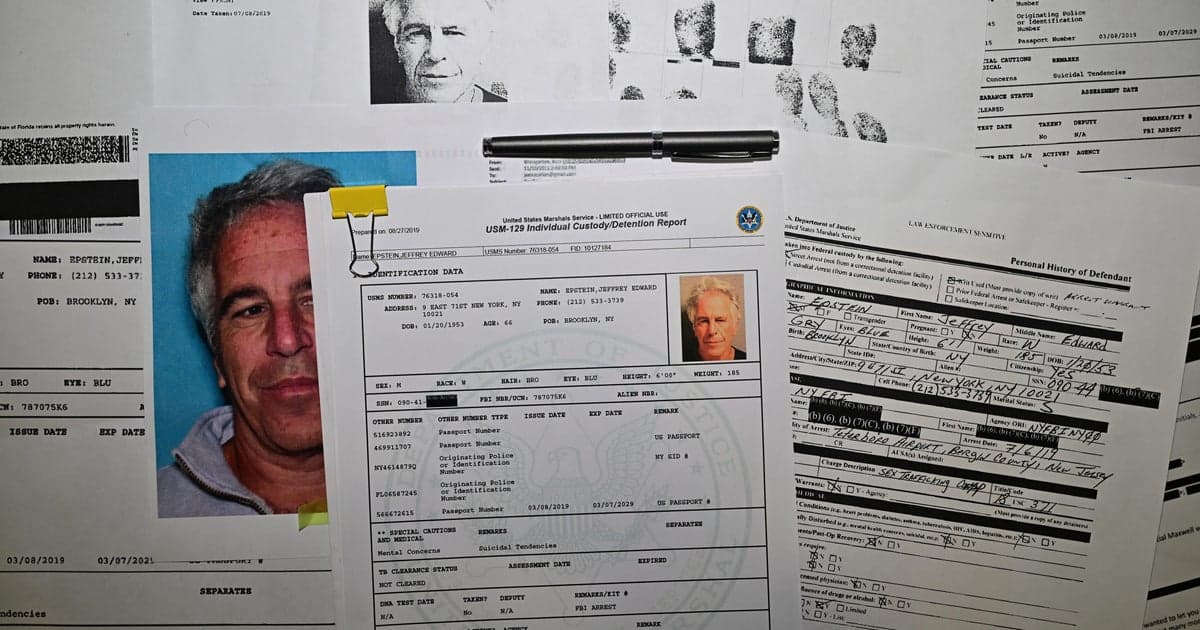
Justice Department released 3 million pages of Epstein documents on June 19, 2026. The move aimed to shed light on the disgraced financier's activities, but it has raised more questions than answers. The Epstein Files Transparency Act mandated the release, but the DOJ collected over 6 million pages, leaving many wondering what happened to the remaining 3 million.
The discrepancy has sparked concerns among survivors, advocates, and lawmakers, who are demanding to know what is being withheld. Rep. Robert Garcia, the top Democrat on the House Oversight Committee, has called for the release of all documents, including duplicates. "If there are duplicates, OK, that's fine, let's see them," he said. Garcia emphasized that the public needs to understand what is in the unreleased documents, and the lack of transparency is fueling speculation.
The Government Accountability Office has launched an investigation into the redactions, which were made to protect victims, according to the DOJ. However, many redactions appear to be unjustified, with prominent individuals' names being protected while victims' names are not. In one instance, a text between Epstein and Steve Bannon had Bannon's face blacked out in a photo that was already publicly available.
The Epstein Files Transparency Act provides limited grounds for withholding information or redacting names, primarily to protect victims. The bill specifically excluded "reputational harm, or political sensitivity" as reasons for redaction. Yet, many redactions seem to defy this purpose, with business contacts and acquaintances of Epstein having their names redacted without an obvious reason.
A 2002 email with the signoff "Love, Melania" had the full name and email of the sender and receiver redacted. First lady Melania Trump later acknowledged exchanging emails with Ghislaine Maxwell, describing them as "casual correspondence." The DOJ has not provided a justification for these redactions, despite being required to do so by the Epstein Files Transparency Act.
The Act requires the DOJ to provide a written justification for every redaction, which must be published in the Federal Register and submitted to Congress. However, the DOJ has issued a general statement saying its redactions were "[c]onsistent with the Act," without addressing specific instances. Members of Congress have been allowed to review redacted material, but the process is time-consuming, and some have complained that their searches are being monitored by the DOJ.
After CBS News reached out to the DOJ for comment on these redactions, some of the previously redacted material was quietly un-redacted. This included a photo of Bannon and two emails, one of which revealed the sender to be former U.K. diplomat Peter Mandelson. Mandelson was arrested earlier this year on suspicion of mishandling sensitive government documents, which he denies. He has expressed regret over his friendship with Epstein.
The un-redactions have raised more questions about the DOJ's handling of the Epstein files. The decision to quietly release previously redacted material has sparked concerns about the integrity of the process. Survivors and advocates are demanding greater transparency, and the investigation by the Government Accountability Office may shed more light on the matter.
As the investigation unfolds, the public is left wondering what other secrets the Epstein files may hold. The release of the documents was supposed to bring closure to the survivors and provide a clearer understanding of Epstein's activities. Instead, it has sparked a new wave of questions and concerns about the handling of the case. The DOJ's decision to withhold 3 million pages of documents has created a sense of unease, and the redactions have only added to the mystery surrounding the Epstein case.
The Epstein case has far-reaching implications, and the handling of the documents has sparked a debate about transparency and accountability. The case has also raised questions about the relationships between powerful individuals and the justice system. As the investigation continues, it is likely that more information will come to light, and the public will be watching closely to see how the DOJ responds to the mounting pressure for transparency.
In the meantime, survivors and advocates continue to demand justice and transparency. The release of the Epstein files was supposed to be a step towards healing and closure, but it has instead created a sense of uncertainty. The DOJ's handling of the case has sparked a new wave of activism, with many calling for greater accountability and transparency in the justice system. As the case continues to unfold, it is clear that the Epstein files will remain a source of controversy and debate for years to come.