House Rebukes Trump As Bipartisan Vote Demands End To Iran War
"The symbolic resolution exposes deepening fractures within the GOP as the 90-day conflict strains constitutional boundaries and global markets watch closely."
The House of Representatives voted 215 to 208 on Wednesday to end military operations against Iran, marking a rare bipartisan rebuke of presidential war powers ninety days into a stalemated conflict.
Four Republicans defied House Speaker Mike Johnson to cross the aisle. The vote forces a constitutional reckoning over the 1973 War Powers Act. President Trump’s administration has consistently dismissed the act’s constraints, yet the legislative branch is finally pushing back against executive overreach. This legislative maneuvering is not occurring in a vacuum. It reflects a growing institutional panic over an open-ended Middle Eastern entanglement that began with joint U.S.-Israeli strikes on February 28.
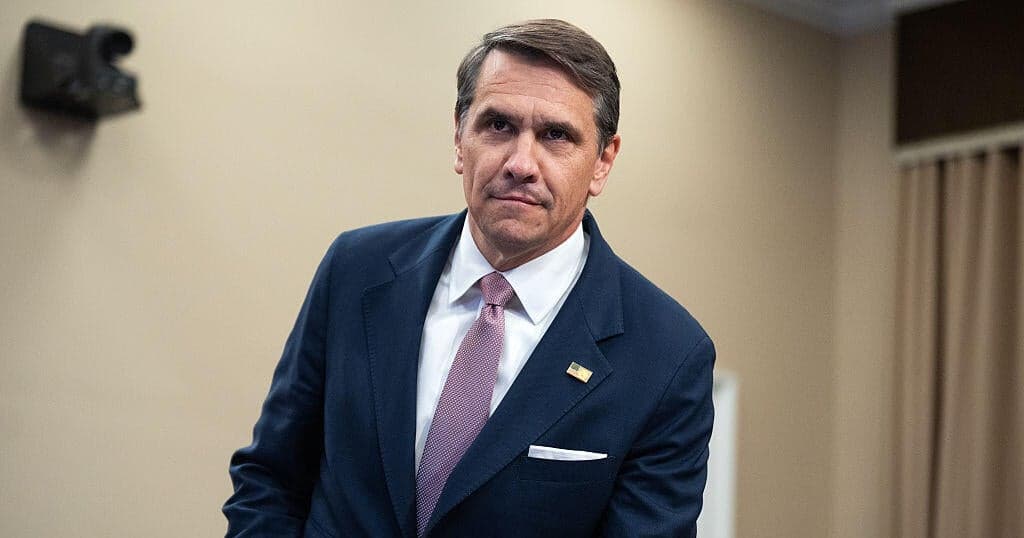
Representative Brian Fitzpatrick of Pennsylvania articulated the legal reality with blunt precision. "We're past the 60 days, so you have two choices. You either follow the law or you change the law." By exceeding the 60-day combat window plus the allowable 30-day extension, the executive branch is operating in a constitutional gray area. Lawmakers on both sides of the aisle recognize that ignoring the War Powers Act sets a dangerous precedent for future administrations. The post-9/11 Authorization for Use of Military Force (AUMF) has been stretched beyond recognition to justify engagements across the globe. The current administration's reliance on broad interpretations of executive privilege bypasses the explicit constitutional mandate that grants Congress the sole power to declare war. Fitzpatrick’s stance underscores a silent anxiety among rank-and-file lawmakers who fear being complicit in an undeclared war that lacks measurable victory conditions.
Speaker Mike Johnson attempted to frame the conflict through a historical lens, reminding reporters that Iran declared war on the United States 47 years ago. But invoking the hostage crisis of 1979 does little to address the immediate economic and political fallout of 2026. GOP leadership previously delayed the vote, hoping a May recess would kill the measure's momentum. That strategy spectacularly failed. The fact that a Republican-led House passed a resolution condemning a Republican president's military action speaks volumes about the internal pressure building within the caucus. Voters are war-weary, and incumbents facing reelection are feeling the heat.
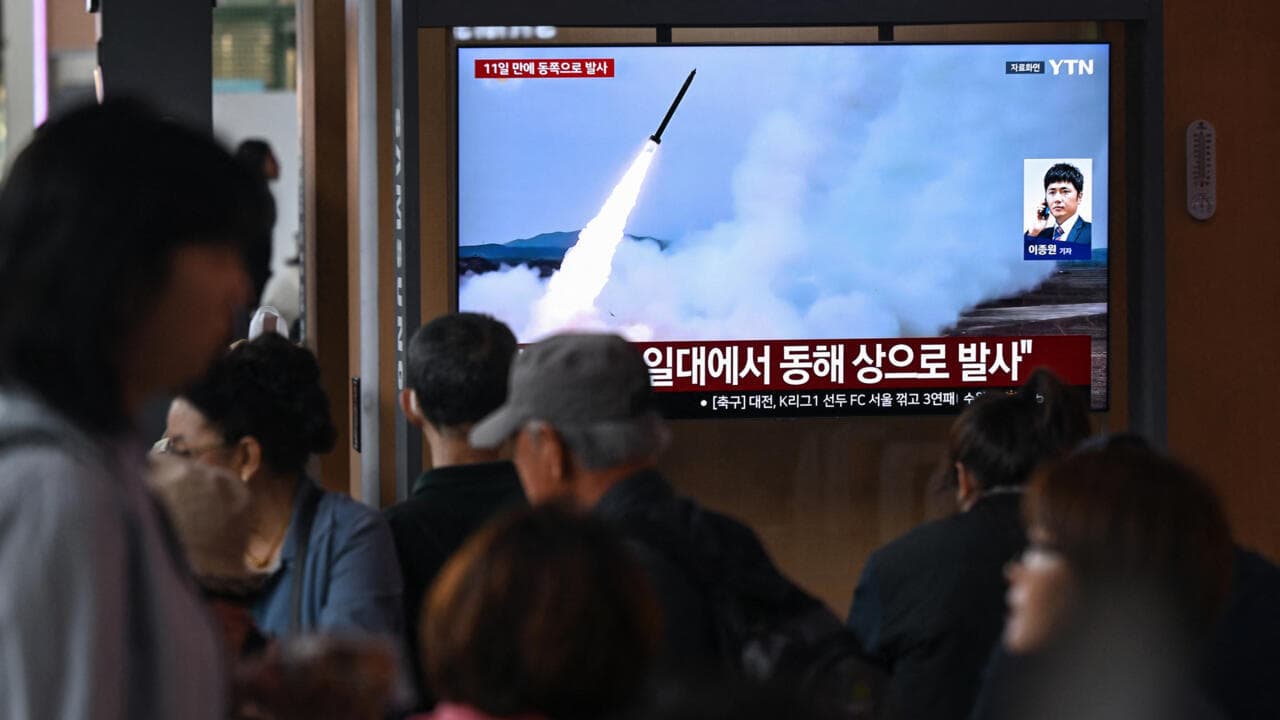
Financial markets despise uncertainty, and the ongoing tit-for-tat strikes in the Persian Gulf have introduced unprecedented volatility into global energy sectors. Crude oil futures have fluctuated wildly over the past three months. Energy markets remain the ultimate barometer of geopolitical distress. Every time Iranian fast-attack boats clash with U.S. naval assets, supply chain analysts scramble to reroute maritime traffic through the Strait of Hormuz. Insurance premiums for commercial vessels transiting the Persian Gulf have skyrocketed, creating downstream inflationary pressures across the global economy. The House vote, while symbolically toothless on the battlefield, sends a chilling signal to defense contractors and energy traders: American political consensus on this operation is crumbling. Major aerospace and defense firms, anticipating steady procurement contracts, now face a sudden demand shock if a forced drawdown occurs. If the executive branch loses the backing of its own legislative chamber, sustaining a prolonged logistics chain becomes mathematically and politically impossible.
Senate Democrats are watching these developments with intense focus. While the upper chamber has struggled to secure a floor vote, recent procedural victories suggest the dam is breaking. A handful of Senate Republicans are quietly signaling willingness to support a parallel resolution. Even with a promised presidential veto hanging over the process, forcing a veto override attempt puts vulnerable lawmakers on the record. It forces a public accounting of who supports endless deployment and who demands strategic off-ramps.
Immediately following the Iran vote, the House delivered a second shockwave by advancing a measure to restore aid to Ukraine. Six Republicans joined Democrats to push the legislation forward. Representative Gregory Meeks noted that three years into that separate conflict, allies cannot be abandoned. The pairing of these two votes is not accidental. It represents a nascent but aggressive legislative coalition seeking to reclaim American foreign policy from the White House. Lawmakers are demanding a return to traditional deterrence frameworks rather than relying on ad-hoc kinetic strikes.
What happens next will define the balance of power in Washington for a generation. The executive branch finds itself fighting a multi-front war—against asymmetric threats abroad and constitutional constraints at home. A fragile ceasefire remains elusive as diplomats struggle to find common ground amidst active artillery exchanges. Should the Senate follow the House's lead, the resulting veto showdown will paralyze domestic agenda items. The defense industry must now price in the very real possibility of a sudden, politically mandated withdrawal from the Persian Gulf. Institutional investors are already hedging against the volatility, shifting capital away from defense equities and into safe-haven assets.
The 215 votes cast on Wednesday are a legislative warning shot. The American public and their representatives are demanding an exit strategy. The era of unchecked executive military adventures is colliding head-on with a revitalized legislative branch. Washington is waking up to the reality that forever wars require forever funding, and the political appetite for both has finally evaporated.