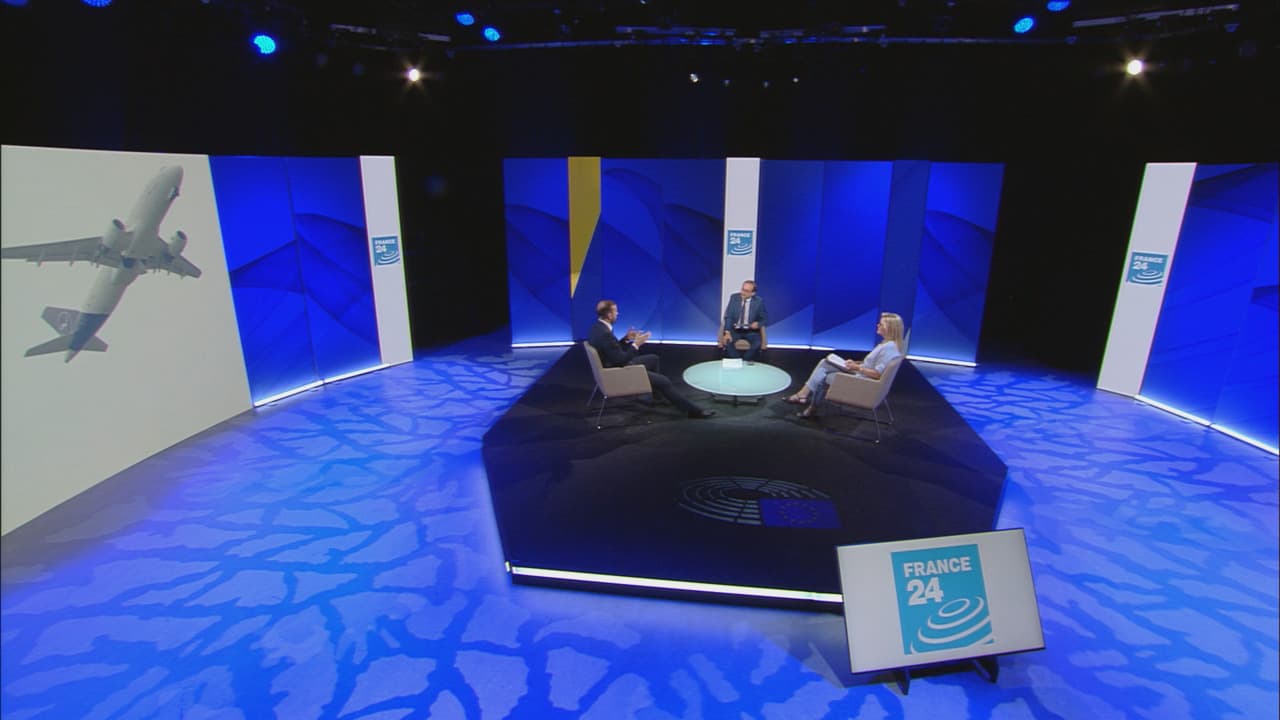
Negotiations on air passenger rights hit turbulence: EU Parliament takes on airlines
"Passenger rights hang in balance as negotiations stall."
European Union negotiators met in Brussels to revise air passenger rights. EU Parliament and member states aim to update 2004 rules. Air travel has changed dramatically since then, with more flights and passengers. The current regulations are outdated, and passengers deserve better protections.
The EU's efforts to strengthen passenger rights have been ongoing for years. In 2013, the European Commission proposed revisions to the existing rules, but progress was slow. Now, with the rise of low-cost airlines and increased air travel, the need for updated regulations is more pressing than ever.
A key sticking point in the negotiations is the definition of "extraordinary circumstances" that exempt airlines from paying compensation for delays and cancellations. Airlines argue that events like bad weather, air traffic control issues, and medical emergencies should be considered extraordinary circumstances. However, passenger rights groups and some EU lawmakers believe that airlines are using these exemptions to avoid paying compensation.
MEPs are pushing for stronger protections for passengers, including higher compensation for delays and cancellations. They also want to ensure that airlines provide clear information to passengers about their rights and offer assistance during disruptions. The European Parliament's transport committee has proposed amendments to the commission's draft regulation, which would strengthen passenger rights.
One of the main concerns for airlines is the potential cost of implementing the new rules. They argue that higher compensation payments and increased assistance to passengers would lead to higher ticket prices. However, passenger rights groups counter that airlines have a responsibility to provide a certain level of service and that the costs of implementing the new rules would be outweighed by the benefits to passengers.
The negotiations are complex, with multiple stakeholders involved. The European Commission, EU member states, and the European Parliament all have a role to play in shaping the final regulation. The commission has proposed a draft regulation, which is being debated by the parliament and the council. The parliament's transport committee has proposed amendments, which will be voted on by the full parliament.
As the negotiations continue, passengers are left in limbo. Many have experienced delays and cancellations, only to find that they are not entitled to compensation. The current rules are confusing, and passengers often struggle to understand their rights. The revised regulation aims to simplify the rules and provide clearer guidance for passengers.
The EU's efforts to strengthen passenger rights are part of a broader effort to improve consumer protection. The EU has introduced regulations on various aspects of consumer protection, including package travel and timeshare contracts. The revised air passenger rights regulation would bring air travel in line with other areas of consumer protection.
In conclusion, the negotiations on air passenger rights are ongoing, with the EU Parliament pushing for stronger protections for passengers. The revised regulation aims to update the outdated rules and provide clearer guidance for passengers. While airlines have raised concerns about the potential costs, passenger rights groups argue that the benefits to passengers would outweigh the costs. As the negotiations continue, one thing is clear: passengers deserve better protections, and the EU is taking steps to ensure that they get them.