Kenya's president defends preparedness measures amid an Ebola outbreak
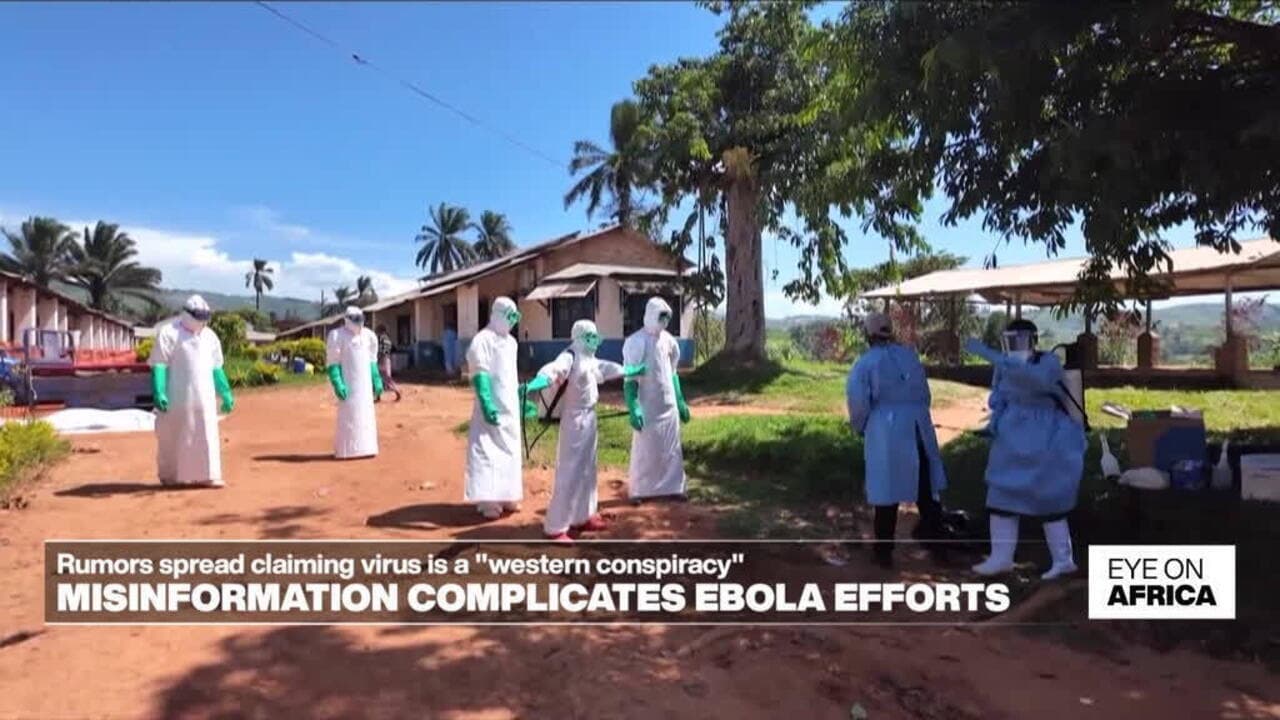
"Rumors spread fear, complicating containment. Mistrust hampers relief efforts."
Kenya's president defends preparedness measures amid an Ebola outbreak. Authorities in Kenya and surrounding countries are scrambling to contain the spread of the deadly virus, which has already claimed lives in the region. The outbreak, declared on May 5, 2026, has raised concerns about the ability of local health systems to cope with the crisis.
Mistrust and rumors are significant obstacles in the efforts to contain the outbreak. Many people in the affected areas are skeptical of the information provided by the authorities, leading to a lack of cooperation and hindering the relief efforts. This mistrust is fueled by a combination of factors, including limited access to accurate information, cultural beliefs, and a history of mistrust between the government and local communities.
In response to the outbreak, the Kenyan government has established a U.S.-supported Ebola quarantine facility to isolate and treat infected patients. The facility is equipped with state-of-the-art medical equipment and staffed by trained healthcare professionals. However, the effectiveness of the facility is being undermined by the mistrust and rumors spreading among the local population.
Africans are also driving tourism's growth on the continent, which could be impacted by the outbreak. The tourism industry is a significant contributor to the economies of many African countries, and any disruption to the sector could have far-reaching consequences. The outbreak has already led to a decline in tourist arrivals, and the situation is being closely monitored by industry stakeholders.
The World Health Organization (WHO) has deployed a team of experts to the affected areas to support the local authorities in containing the outbreak. The WHO team is working closely with the Kenyan government and other stakeholders to develop a comprehensive response plan, which includes measures to improve public awareness and engagement.
Despite the challenges, there are signs of progress in the efforts to contain the outbreak. The Kenyan government has reported a decline in the number of new cases, and the quarantine facility is operating effectively. However, the situation remains volatile, and the authorities are warning against complacency.
The outbreak has also highlighted the need for improved public health infrastructure in the region. The lack of adequate healthcare facilities, equipment, and trained personnel has been identified as a significant weakness in the response to the crisis. The international community is being urged to provide support to strengthen the local health systems and improve their capacity to respond to public health emergencies.
In conclusion, the Ebola outbreak in Kenya and surrounding countries is a complex and challenging situation. The spread of mistrust and rumors is complicating the relief efforts, and the authorities are working to address these issues. The establishment of the quarantine facility and the deployment of the WHO team are positive developments, but the situation remains unpredictable. The international community must provide support to strengthen the local health systems and improve their capacity to respond to public health emergencies.