Baby botulism outbreak: FDA still doesn't know cause—or how to prevent it
"Infants hospitalized, companies point fingers. Investigation yields few answers."
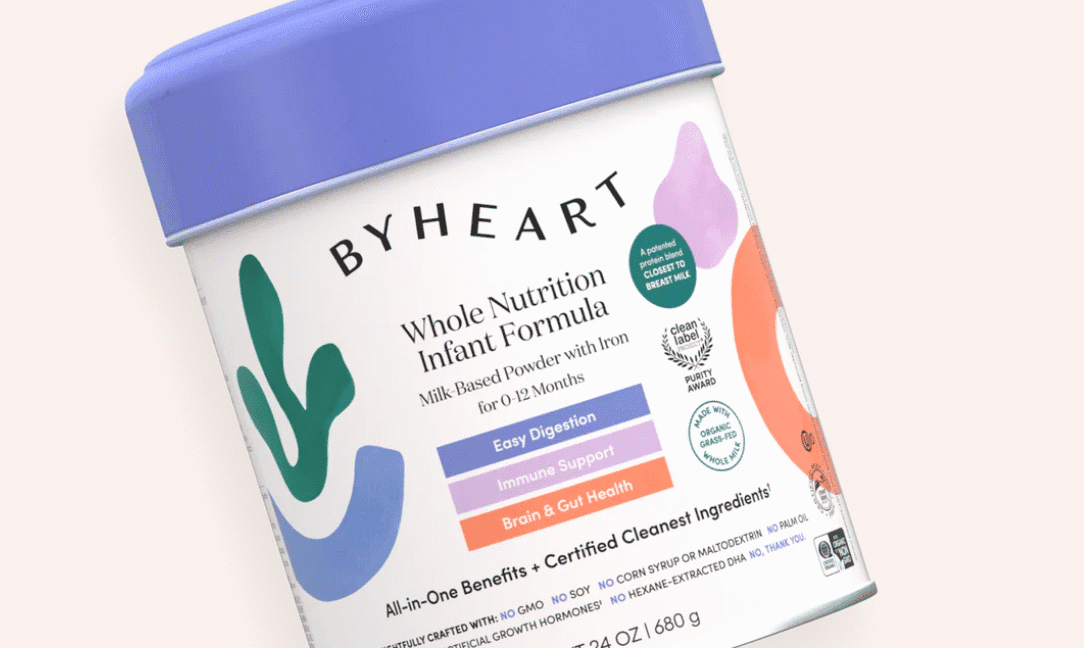
ByHeart's formula sickened 48 infants across 17 states. The FDA's investigation into the baby botulism outbreak has yielded more questions than answers, with the regulator still unsure how the bacteria contaminated the formula or how to prevent it from happening again. The outbreak, which was identified in early November and declared over by the FDA and Centers for Disease Control and Prevention on February 26, has left many wondering how such a devastating event could occur.
The FDA's investigation provided a detailed trace of the bacteria behind the outbreak, Clostridium botulinum, which can produce hardy spores that are found in soil and sediments. If the spores reach an amenable environment—such as the vulnerable, underdeveloped guts of infants—they begin to grow and produce a neurotoxin that causes flaccid paralysis. Strains of C. botulinum isolated from some of the sick infants were genetically linked to strains found in ByHeart's formula, which were also linked to strains found in powdered whole milk used in the formula.
The powdered whole milk was dried from liquid milk at a Nevada facility run by Dairy Farmers of America, and the liquid milk came from the supplier Organic West, based in California. Organic West sold the resulting powder to ByHeart. Specifically, the FDA traced contaminated formula and milk powder back to eight whole milk lot powders that came from 33 fluid milk lots from Organic West, according to an incident summary. Still, the FDA could not determine where in the production chain the bacteria entered or how.
Bill Marler, a lawyer specializing in food poisoning who is representing 25 of the sickened infants in litigation, criticized the FDA's conclusion as "a little underwhelming to put it mildly." The epilogue that the FDA posted this week, titled the "Post-Outbreak Response Activities," provided a summary "without any real clear guidance for consumers or for the companies going forward." Marler wants to see more investigation and action by the FDA to understand and prevent another outbreak from happening.
In the meantime, each of the three companies involved is shirking blame. ByHeart released a statement this week saying "FDA has shared that it did not identify any deficiencies in ByHeart's facilities that could explain the root cause of this outbreak." Bill Van Ryn, an owner of Organic West Milk, previously stressed in media reports that "nothing has been proven about our milk yet." Likewise, Dairy Farmers of America blamed Organic West, saying its processing met all required tests. "Manufacturers of end-use consumer products have a responsibility to properly process ingredients to ensure product safety," Dairy Farmers of America said in a statement.
While the companies point fingers at each other, the blame ultimately lies with ByHeart, according to Marler. It's "not only an ingredient problem that happened to pass through ByHeart. That is ByHeart's product, in ByHeart's can, with ByHeart's name on it, fed to a baby," he wrote in a recent blog post. "Sourcing, verifying, and testing what goes into infant formula is the job." Marler also noted that this is not the first time infant botulism has been linked to infant formula.
The implications of the outbreak are far-reaching, with many parents left wondering how they can trust the formula they feed their babies. The FDA's inability to determine the root cause of the contamination has raised questions about the regulator's ability to ensure the safety of the food supply. As the investigation continues, one thing is clear: the health and well-being of infants depends on the ability of companies and regulators to work together to prevent such outbreaks from happening in the future.
ByHeart has said it is working to resume infant formula production, but the company's statement this week did little to alleviate concerns. The company is now working with a lab to develop new testing protocols, but it remains to be seen whether these measures will be enough to prevent another outbreak. As the situation continues to unfold, one thing is certain: the FDA and the companies involved must do more to ensure the safety of infant formula and prevent such devastating outbreaks from happening again.