Rocket Report: Rebuild begins at Blue Origin launch pad; Relativity targets Mars
"Tensions rise as SpaceX faces critical engine restart issues. Will the next test flight be a success?"
SpaceX is preparing for the next test flight of its Starship mega-rocket, scheduled to take place as soon as next month. According to Gwynne Shotwell, the company's president and chief operating officer, the upcoming flight, dubbed Flight 13, will resemble the previous test flight, with a suborbital flight path and a splashdown of the ship in the Indian Ocean.
The next Starship test flight has garnered significant attention, particularly after the last flight's inability to complete a critical engine restart in space. Shotwell's comments to CNBC suggest that SpaceX is holding off on an orbital flight until at least the following launch, Flight 14. This decision has sparked debate among space enthusiasts and experts, with some questioning the company's ability to overcome the technical challenges associated with reusable rockets.
In related news, a French launch startup has been forced to scrap the name of its rocket due to a trademark issue, highlighting the complexities and challenges faced by companies in the space industry. Meanwhile, Isar Aerospace, a European rocket startup, has encountered yet another delay in its efforts to launch a critical test flight of its Spectrum rocket. The company's latest setback came after detecting "off nominal behavior" in the vehicle's fluid systems, prompting an analysis to isolate the root cause.
Despite these challenges, the space industry continues to push forward, with companies like Katalyst Space Technologies making significant strides. The startup has successfully built and launched a satellite, named Link, to save a $500 million astronomy mission at risk of crashing back to Earth. The mission, dubbed Swift reboost, was completed in less than a year, demonstrating the speed and agility of private space companies.
The Swift reboost mission has been remarkable, with NASA officials expressing surprise at the company's ability to deliver a solution on a tight budget and timeline. As Shawn Domagal-Goldman, director of NASA's astrophysics program, noted, "No one thought it was going to be possible. No one thought we would get as far as we've already gotten today." The success of this mission highlights the potential for private companies to play a significant role in space exploration and development.
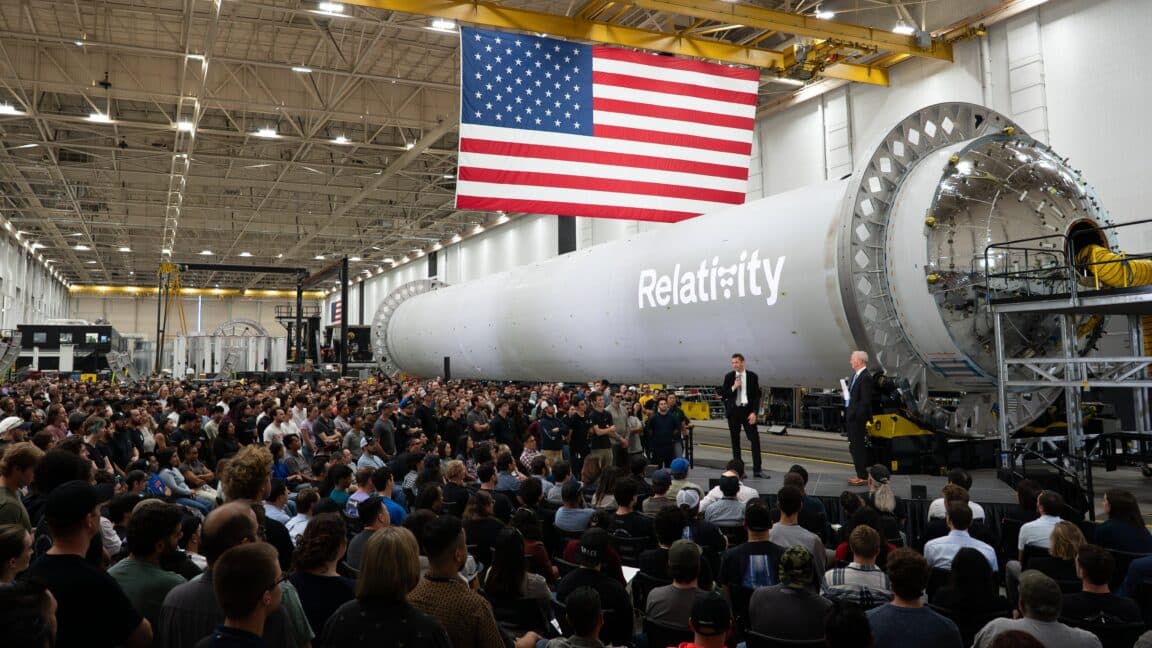
In other news, Relativity Space is targeting Mars with its Terran R rocket, marking a significant milestone in the company's ambitions to establish a human presence on the Red Planet. The Terran R rocket is designed to be reusable and capable of carrying both crew and cargo to Mars, making it an exciting development in the pursuit of interplanetary travel.
As the space industry continues to evolve, companies like SpaceX, Isar Aerospace, and Relativity Space are pushing the boundaries of what is possible. With ongoing developments in reusable rockets, satellite technology, and interplanetary travel, the future of space exploration looks promising. However, the challenges faced by these companies serve as a reminder of the complexities and risks associated with space travel, and the need for continued innovation and perseverance in the pursuit of advancing our understanding of the universe.