Israel and Hezbollah agree to a ceasefire after intensified fighting threatens U.S.-Iran talks
"Intensified fighting sparked concerns over regional stability."
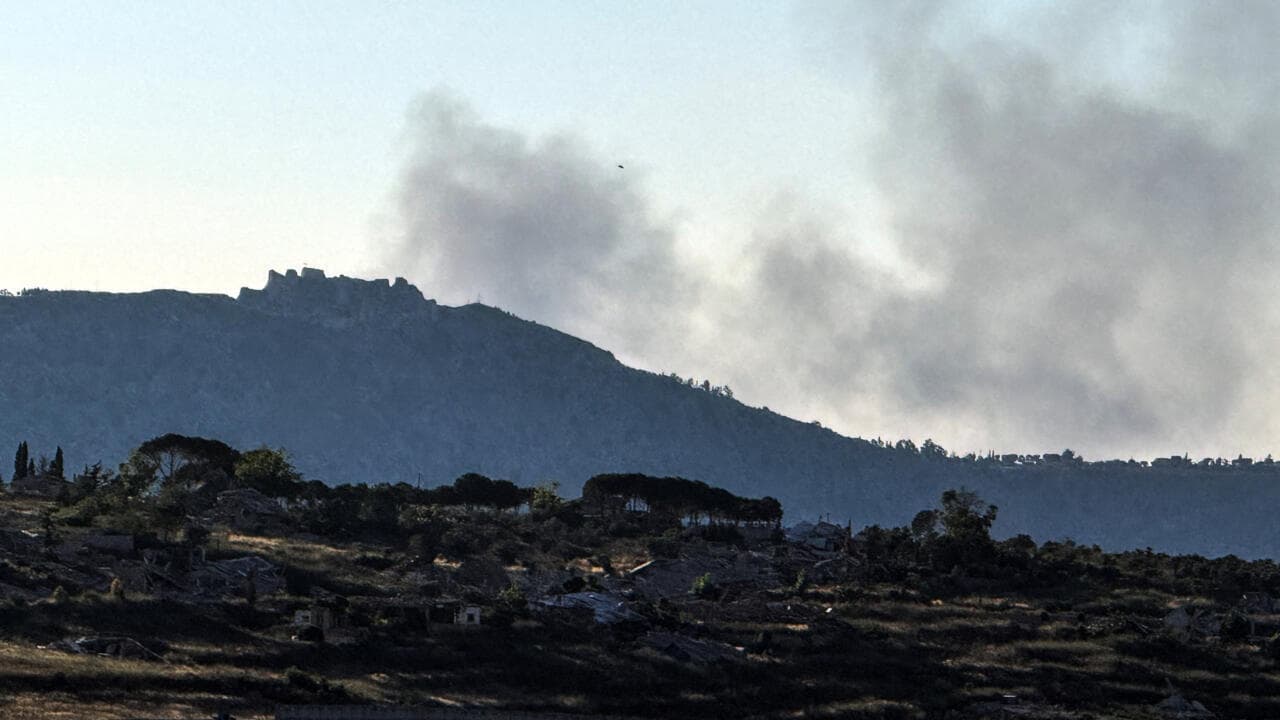
Israel and Hezbollah have agreed to a ceasefire after intensified fighting threatened to derail US-Iran talks. The agreement comes after four Israeli soldiers were killed in clashes with Hezbollah militants. The conflict, which began on the Israel-Lebanon border, had escalated in recent days, prompting concerns over regional stability and the potential impact on US-Iran negotiations.
The Israeli military and Hezbollah have a long and complex history of conflict, with periodic outbreaks of violence along the border. However, the latest escalation had sparked particular concern due to its potential to disrupt the fragile diplomatic efforts between the US and Iran. The US has been seeking to revive the 2015 nuclear deal with Iran, which was abandoned by the previous administration. The talks, which have been ongoing for months, have been fraught with challenges, and the recent conflict had threatened to derail the entire process.
Hezbollah, a Shia militant group backed by Iran, has been a key player in the conflict, with its militants clashing with Israeli forces along the border. The group has been accused of carrying out attacks on Israeli targets, including military personnel and civilians. Israel, in turn, has responded with airstrikes and artillery fire, targeting Hezbollah positions in Lebanon.
The ceasefire agreement, which was announced on Monday, is expected to hold, despite some reports of sporadic violence. The agreement was reportedly brokered by the United Nations, which has been working to calm tensions in the region. The UN has urged all parties to respect the ceasefire and to work towards a lasting resolution to the conflict.
The implications of the conflict are far-reaching, with potential consequences for the entire region. The US-Iran talks, which have been seen as a key opportunity to reduce tensions and prevent a wider conflict, are now at risk of collapse. The conflict has also sparked concerns over the potential for a wider regional war, involving other countries such as Saudi Arabia and the United Arab Emirates.
In recent years, the Middle East has experienced a surge in conflict and instability, with multiple countries embroiled in complex and often interconnected disputes. The Israeli-Palestinian conflict, the Syrian civil war, and the Yemen conflict are just a few examples of the many challenges facing the region. The latest conflict between Israel and Hezbollah is just the latest manifestation of these deeper tensions.
The US has been seeking to play a key role in reducing tensions in the region, with a focus on reviving the 2015 nuclear deal with Iran. However, the latest conflict has highlighted the challenges facing US diplomacy in the region. The US has been criticized for its approach to the conflict, with some arguing that it has not done enough to address the root causes of the violence.
As the situation continues to unfold, it is clear that the conflict between Israel and Hezbollah is just one part of a much larger and more complex landscape of tensions and rivalries in the Middle East. The US and other international players will need to navigate these challenges carefully, working to reduce tensions and prevent a wider conflict. The ceasefire agreement is a welcome development, but it is only the first step towards a lasting resolution to the conflict.
In the coming days and weeks, the international community will be watching closely to see whether the ceasefire holds and whether the US-Iran talks can get back on track. The stakes are high, with the potential for a wider conflict and significant consequences for the entire region. As the situation continues to evolve, one thing is clear: the conflict between Israel and Hezbollah is a reminder of the deep-seated tensions and rivalries that continue to shape the Middle East, and the need for careful diplomacy and international cooperation to reduce the risk of wider conflict.