Middle East live: Israeli strikes on southern Lebanon kill five despite ceasefire
"Ceasefire broken as violence erupts. Lebanese state media reports casualties."
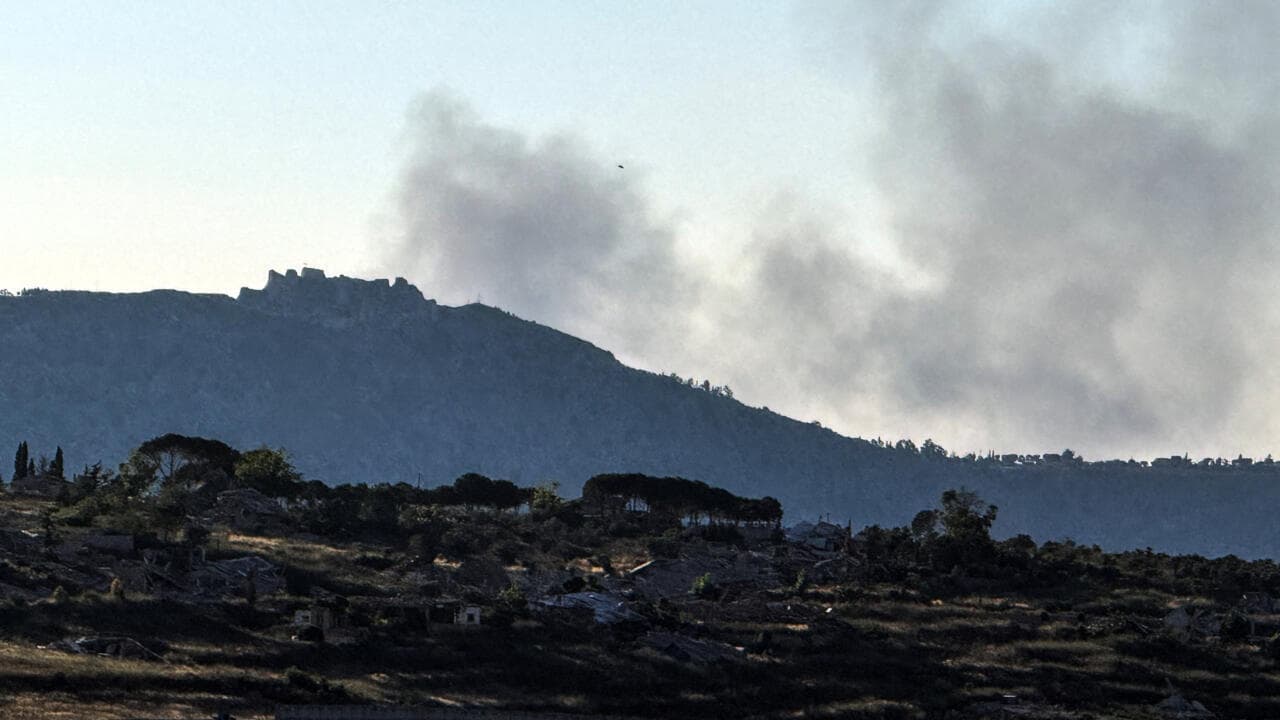
Israel launched air strikes on southern Lebanon, killing at least five people. The attacks occurred despite a ceasefire agreed with Hezbollah on Friday. Lebanese state media reported that Israeli warplanes and drones carried out a series of strikes across the Nabatieh area overnight and into the morning, destroying residential buildings and houses.
The strikes came as US envoy Steve Witkoff and Iranian Foreign Minister Abbas Araqchi headed to Switzerland for talks, aiming to ease tensions in the region. The US State Department announced that the next round of Lebanon-Israel talks would be held on June 23-25 in Washington, following a call between US Secretary of State Marco Rubio and Lebanese President Joseph Aoun.
The ceasefire agreement between Israel and Hezbollah was reached after Israeli air strikes across southern Lebanon. However, the latest attacks have raised concerns about the fragility of the ceasefire and the potential for further escalation. Shipping traffic through the Strait of Hormuz has increased, reaching its busiest level in two months, after a deal to halt the US-Iran war.
The situation in southern Lebanon remains volatile, with residents caught in the middle of the conflict. The Lebanese government has condemned the Israeli attacks, calling for an end to the violence. The international community has also urged restraint, with the US and other countries working to broker a lasting peace.
As the situation continues to unfold, the implications of the Israeli strikes on southern Lebanon are far-reaching. The attacks have not only resulted in loss of life but also damaged infrastructure and residential areas. The ceasefire agreement, although fragile, had offered a glimmer of hope for a peaceful resolution to the conflict.
The role of the US and other international actors in brokering a peace deal will be crucial in the coming days. The talks between US envoy Steve Witkoff and Iranian Foreign Minister Abbas Araqchi in Switzerland are seen as a significant step towards easing tensions in the region. However, the latest Israeli attacks have raised questions about the commitment of all parties to the ceasefire agreement.
In the midst of the chaos, the people of southern Lebanon are bearing the brunt of the conflict. The destruction of residential buildings and houses has left many without shelter, and the fear of further attacks is palpable. The international community must work towards a lasting solution to the conflict, one that addresses the underlying issues and provides a framework for peaceful coexistence.
The US State Department's announcement of the next round of Lebanon-Israel talks is a positive step towards a peaceful resolution. However, the success of these talks will depend on the commitment of all parties to the ceasefire agreement and their willingness to work towards a lasting peace. As the situation in southern Lebanon continues to unfold, the world watches with bated breath, hoping for a peaceful resolution to the conflict.
In conclusion, the Israeli strikes on southern Lebanon have raised concerns about the fragility of the ceasefire agreement and the potential for further escalation. The international community must work towards a lasting solution to the conflict, one that addresses the underlying issues and provides a framework for peaceful coexistence. The people of southern Lebanon deserve nothing less.