
Flesh-eating screwworm infection detected in South Texas, USDA says
"A potential outbreak of flesh-eating screwworms threatens the US livestock industry, sparking fears of widespread infection and economic losses."
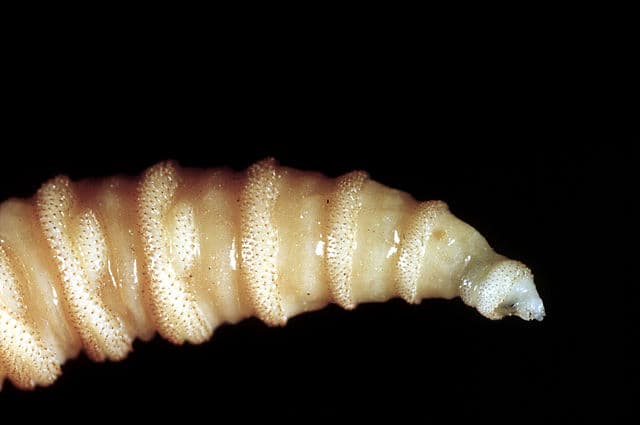
USDA officials scramble to confirm a reported case of New World screwworm infection in South Texas, an infestation that could devastate the local cattle industry. The screwworm, a parasitic fly that feasts on the living tissue of warm-blooded animals, was eradicated from the US in the 1960s but has been making its way up through Central America in recent years. Female screwworms lay hundreds of eggs in the wounds and openings of animals, allowing their larvae to feed on the living flesh, causing deep, festering wounds that can be life-threatening. The USDA estimates that keeping screwworms out of the US has saved the livestock industry $900 million each year, underscoring the potential economic impact of an outbreak.
As the situation unfolds, the USDA is working with local partners to activate personnel on the ground and contain the potential outbreak. A sample is currently being tested at the National Veterinary Services Laboratories in Ames, Iowa, with results expected soon. The discovery of a screwworm case just 25 miles from the US-Mexico border in a 5-year-old goat in Coahuila, Mexico, has raised concerns that the parasite may have already breached the border. Agriculture Secretary Brooke Rollins has warned of the serious threat posed by the screwworm, while also disputing claims that the fly is already present in the US.
The screwworm's potential impact on the global livestock market cannot be overstated. The parasite's spread could lead to significant economic losses, not just in the US but also in other countries that import American cattle. The World Organisation for Animal Health has warned of the risks of screwworm infestation, emphasizing the need for concerted efforts to prevent the parasite's spread. In recent years, the screwworm has been detected in several countries in Central America, highlighting the challenges of containing the parasite's spread.
The use of the Sterile Insect Technique, which involves the release of sterile male flies to mate with female screwworms, has been effective in controlling the parasite's population in the past. However, the technique requires significant resources and infrastructure, making it a challenging solution to implement on a large scale. As the USDA works to confirm the reported case of screwworm infection in South Texas, the global livestock industry holds its breath, waiting to see if the parasite's spread can be contained. The potential consequences of an outbreak are dire, with significant economic losses and animal suffering at stake.
The USDA's efforts to prevent the screwworm's spread are part of a broader strategy to protect the US livestock industry from invasive species. The agency has implemented a range of measures, including border inspections and quarantine protocols, to prevent the introduction of exotic diseases. However, the screwworm's ability to adapt and evolve has made it a formidable foe, requiring constant vigilance and innovative solutions to contain its spread. As the situation in South Texas continues to unfold, the USDA and its partners will be closely watched, with the global livestock industry waiting to see if they can prevent a catastrophic outbreak.
In the context of global animal health, the screwworm outbreak highlights the need for international cooperation and information sharing. The World Health Organization and the Food and Agriculture Organization of the United Nations have emphasized the importance of collaboration in preventing the spread of infectious diseases. The screwworm's potential impact on human health, although relatively low, should not be underestimated, as the parasite can infect humans in rare cases. As the USDA works to contain the outbreak, the global community will be watching, with the hope that a coordinated response can prevent a disaster.
The potential economic impact of a screwworm outbreak in the US cannot be overstated. The livestock industry is a significant contributor to the US economy, with cattle farming and beef production generating billions of dollars in revenue each year. A screwworm outbreak could lead to significant losses, not just for farmers and ranchers but also for related industries, such as animal feed and veterinary services. The USDA's efforts to prevent the outbreak are therefore crucial, not just for the livestock industry but also for the broader economy.
As the situation in South Texas continues to evolve, the USDA and its partners will be under intense scrutiny. The agency's response to the potential outbreak will be closely watched, with the global livestock industry waiting to see if they can contain the spread of the screwworm. The potential consequences of an outbreak are dire, with significant economic losses and animal suffering at stake. The USDA's efforts to prevent the outbreak are therefore critical, requiring a coordinated response and innovative solutions to contain the parasite's spread.
