University of Washington Reveals Bean Plant Defense System
"Bean plants have a complex defense system that summons predators to attack caterpillars, and scientists have finally pinpointed the key receptor..."
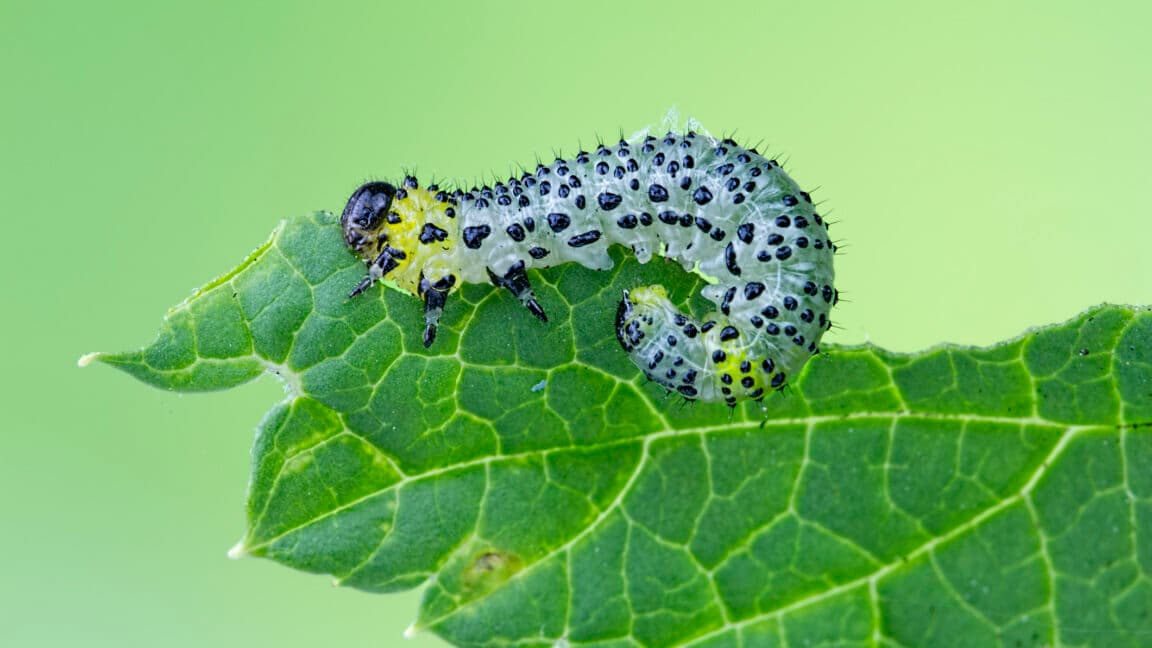
Adam Steinbrenner and his team at the University of Washington have made a groundbreaking discovery about the defense mechanisms of bean plants. In the lab and fields of Oaxaca, Mexico, they've spent years studying how these plants respond to caterpillar attacks. The answer lies in a single immune receptor that detects the presence of herbivorous insects and triggers a signaling cascade to summon parasitic wasps.
This receptor, known as the inceptin receptor, is specialized to detect a specific peptide called In11, which is a fragment of the ATP synthase found in chloroplasts. When a caterpillar feeds on a bean plant, its saliva introduces In11 into the plant's damaged tissues, and the inceptin receptor picks up on this signal. The resulting immune response is a complex process that involves the release of volatile organic compounds, which attract the natural enemies of the caterpillar.
The discovery of the inceptin receptor is a significant breakthrough in our understanding of plant immunity. For decades, scientists have known that plants can release chemical signals to attract predators, but the exact mechanisms behind this process were not well understood. Steinbrenner's team has provided a major piece of the puzzle, showing how a specific receptor can detect the presence of herbivorous insects and trigger a defense response.
The implications of this discovery are far-reaching. In the field of agriculture, understanding how plants defend themselves against pests could lead to the development of more effective and sustainable pest control methods. By harnessing the power of plant immunity, farmers may be able to reduce their reliance on chemical pesticides and maintain healthier, more resilient crops. This could have a significant impact on the global food supply, particularly in regions where access to resources is limited.
The global market for agricultural products is a complex and highly interconnected system. Changes in one part of the world can have ripple effects throughout the entire supply chain. As the world's population continues to grow, the demand for food is increasing, and the need for sustainable and efficient agricultural practices is becoming more pressing. The discovery of the inceptin receptor could play a key role in addressing this challenge, by providing a new tool for farmers to manage pests and maintain crop health.
In the broader context of plant biology, the discovery of the inceptin receptor highlights the incredible diversity and complexity of plant immune systems. Plants have evolved a wide range of defense mechanisms to protect themselves against pathogens and pests, and each of these systems has its own unique characteristics and mechanisms. By studying these systems, scientists can gain a deeper understanding of the intricate relationships between plants and their environments, and develop new strategies for improving crop yields and reducing the environmental impact of agriculture.
One of the most significant challenges faced by Steinbrenner's team was the difficulty of genetically modifying bean plants. Unlike some other crops, such as corn or soybeans, bean plants are notoriously hard to manipulate using modern genetic techniques. To get around this problem, the team had to rely on traditional breeding methods, which are time-consuming and labor-intensive. This involved screening a large panel of Mesoamerican beans to find varieties that were insensitive to the In11 peptide, and then using these plants to create a series of genetic crosses and backcrosses.
The results of these experiments were striking. Plants that lacked the functional inceptin receptor were unable to detect the presence of caterpillars and failed to trigger the signaling cascade that summons parasitic wasps. This had severe consequences for the plants, which were much more susceptible to caterpillar attacks and suffered significant damage as a result. In contrast, plants that had the intact inceptin receptor were able to detect the caterpillars and respond quickly, releasing chemical signals that attracted predators and helped to protect the plants from further damage.
The discovery of the inceptin receptor has significant implications for our understanding of plant biology and ecology. It highlights the complex and dynamic relationships between plants and their environments, and shows how plants have evolved sophisticated defense mechanisms to protect themselves against pathogens and pests. By studying these mechanisms, scientists can gain a deeper understanding of the natural world and develop new strategies for improving crop yields, reducing the environmental impact of agriculture, and promoting sustainable food systems.
In the years to come, researchers will likely build on the discovery of the inceptin receptor, exploring its potential applications in agriculture and beyond. This could involve developing new pest control methods that harness the power of plant immunity, or creating genetically modified crops that are more resilient to pests and diseases. The possibilities are vast, and the potential benefits are significant. As the world continues to grapple with the challenges of food security and sustainability, the discovery of the inceptin receptor is a timely reminder of the importance of basic scientific research and the potential for breakthroughs to transform our understanding of the world.