How long will it take to rebuild Blue Origin's launch pad? We asked some SpaceX vets.
"SpaceX veterans weigh in on the company's road to recovery after a devastating rocket explosion, as NASA's lunar ambitions hang in the balance with New..."
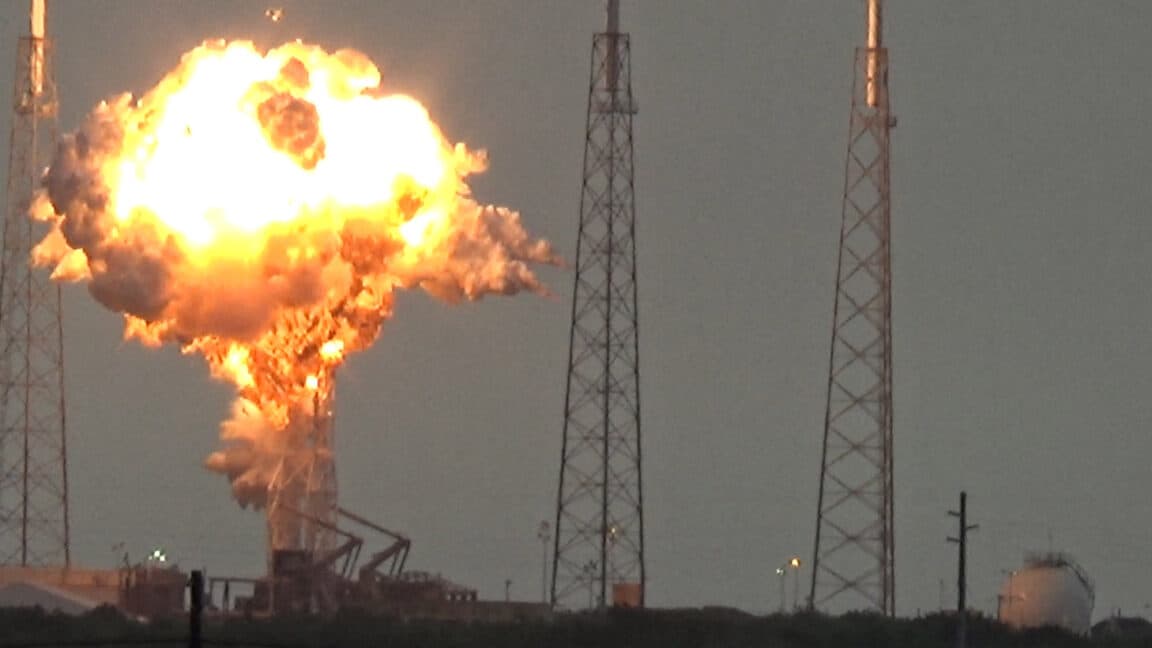
Blue Origin's launch pad lies in ruins after a static fire test of its New Glenn rocket ended in a catastrophic explosion on May 28. The incident bears an uncanny resemblance to a similar accident involving SpaceX's Falcon 9 rocket in 2016. Both events share a common thread - the destruction of the launch site and the setback to the companies' ambitious plans. As Blue Origin embarks on the long and arduous journey of rebuilding and recovery, the clock is ticking, with NASA's lunar aspirations relying heavily on the New Glenn program.
Hans Koenigsmann, a veteran SpaceX engineer, led the investigation into the Falcon 9 failure and is now watching Blue Origin's ordeal with a sense of déjà vu. His team's painstaking efforts to identify the cause of the explosion, which involved scouring the wetlands surrounding the launch site for debris, ultimately pinpointed a complex failure of the lining of a pressure vessel in the upper stage. Koenigsmann's advice to Blue Origin is to be transparent and thorough in their investigation, studying the physical evidence and acknowledging that every anomaly is unique. The company has so far remained tight-lipped about the cause of the New Glenn failure, with speculation focusing on a possible anomaly in one of the seven main BE-4 engines.
The road to recovery will be long and challenging for Blue Origin. After the Falcon 9 explosion, SpaceX was forced to rely on an alternative launch pad at Vandenberg Air Force Base in California, which was undergoing upgrades to support the "Full Thrust" variant of the rocket. The company then focused on completing modifications to Launch Complex 39A at Kennedy Space Center, which it had leased from NASA. In contrast, Blue Origin's launch pad availability will be a significant hurdle, with the company facing a rebuilding process that could take several months, if not longer. John Muratore, a former NASA engineer who witnessed the Falcon 9 explosion, notes that SpaceX was not allowed to begin reconstruction work at the launch pad until January 2017, due to the ongoing investigation and remediation efforts.
The global implications of Blue Origin's setback are significant, with NASA's lunar ambitions hanging in the balance. The New Glenn program is a critical component of the agency's plans to return humans to the Moon by 2025, and any delays or setbacks will have a ripple effect on the entire space industry. The European Space Agency, which has its own lunar exploration plans, will be watching Blue Origin's progress with interest, as will other space-faring nations like China and Russia. The commercial space industry, which has experienced rapid growth in recent years, will also feel the impact of Blue Origin's struggles, as investors and customers alike reassess their commitments to the company.
As Blue Origin navigates the complex and costly process of rebuilding its launch pad, the company will need to demonstrate its ability to learn from the past and adapt to the challenges of the present. The failure investigation will be a crucial step in this process, as will the company's willingness to be transparent and open with its stakeholders. With NASA's lunar plans relying heavily on the New Glenn program, the pressure is on Blue Origin to deliver, and the clock is ticking. The company's response to this crisis will be a defining moment in its history, one that will determine its place in the rapidly evolving commercial space industry.
The rebuilding of Space Launch Complex-40, which was largely destroyed by the Falcon 9 explosion, offers a useful case study for Blue Origin. The process took several months, with SpaceX working tirelessly to repair and upgrade the launch pad, as well as implement new safety measures to prevent similar accidents in the future. The company's experience and expertise in this area will be invaluable to Blue Origin, as will the lessons learned from the Falcon 9 failure. By studying the past and applying those lessons to the present, Blue Origin can minimize the impact of the New Glenn explosion and emerge stronger and more resilient than ever.
In the coming months, Blue Origin will face numerous challenges, from rebuilding its launch pad to restoring confidence in its New Glenn program. The company's ability to overcome these hurdles will depend on its capacity for innovation, its willingness to learn from the past, and its commitment to transparency and safety. As the commercial space industry continues to evolve and grow, the stakes will only get higher, and companies like Blue Origin will need to be agile, adaptable, and resilient in the face of adversity. The New Glenn explosion is a setback, but it is also an opportunity for Blue Origin to demonstrate its strength and determination, and to emerge as a leader in the rapidly changing space industry.