Did a medieval flying monk spot Halley's comet, twice? It's complicated
"A medieval monk's claim to have seen Halley's comet twice sparks debate among historians."
Eilmer of Malmesbury, a young Benedictine monk, jumped from a 150-foot tower in the small English town of Malmesbury, wearing crude wings made of willow wood and cloth, in the early 11th century. This legendary experiment in medieval aviation, which resulted in Eilmer gliding 600 feet before crash-landing and breaking both his legs, comes to us via 12th-century historian William of Malmesbury. According to William, Eilmer witnessed Halley's comet in 1066, commenting, "It is long since I saw you," leading some historians to believe that Eilmer saw the comet on an earlier fly-by in 989.
However, James Aitcheson of the University of Leicester argues that Eilmer may have seen a different comet altogether in his youth, the comet of 1018. This would mean that Eilmer was born much later than previously thought, and his attempt at flight would have occurred between the 1020s and 1040s. Aitcheson's research, published in the journal Notes and Queries, suggests that Eilmer may have been born in the early 1010s, making him over 50 in 1066, which is consistent with William of Malmesbury's description of Eilmer as being "advanced in years."
The comet of 1018 would have been visible in the British Isles for about two weeks in the fall, and Eilmer may have merely assumed that it was the same as his 1066 observation of Halley's comet. This would challenge recent speculation that Eilmer understood the periodicity of Halley's comet centuries before the late 17th century astronomer Edmund Halley. Aitcheson acknowledges that Eilmer could have had access to historical records of comet sightings in Britain and Europe, and thus could have spotted the pattern of its cycle among all the other records of comet appearances.
The implications of Aitcheson's research are significant, as they suggest that Eilmer's understanding of comets may have been limited to his own observations, rather than a deeper understanding of their periodicity. This would mean that Eilmer's claim to have seen Halley's comet twice is likely an exaggeration, and that he may have seen two different comets altogether. Furthermore, Aitcheson's research highlights the importance of carefully analyzing historical records, rather than relying on assumptions or speculation.
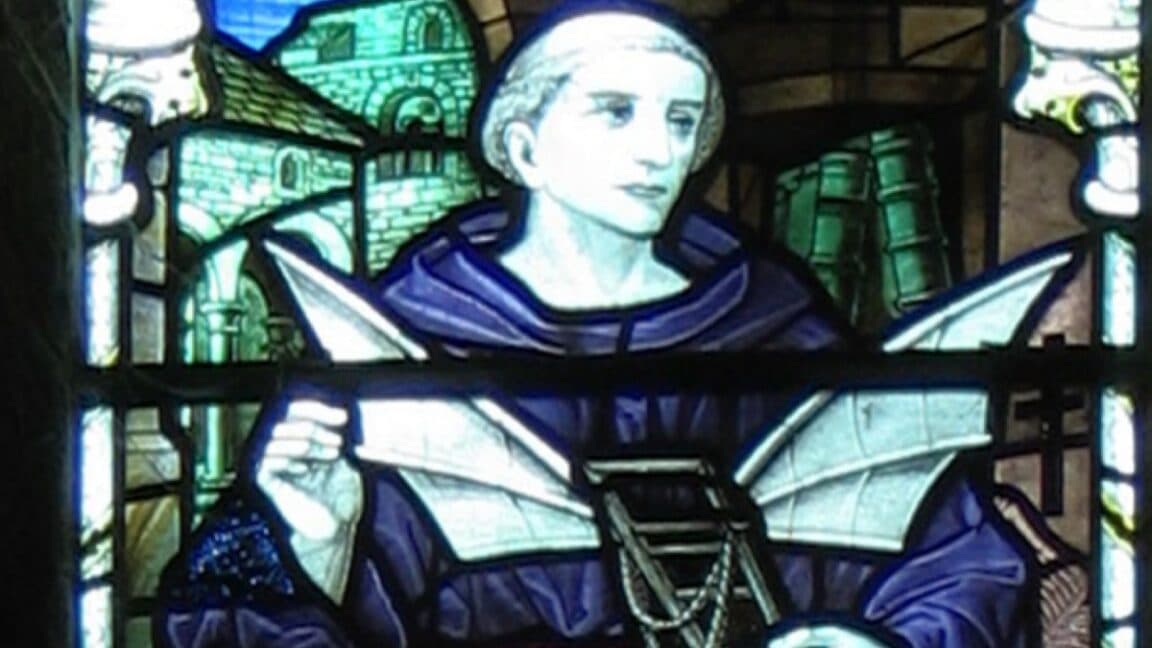
The story of Eilmer's attempt at flight is still an important part of history, regardless of whether he saw Halley's comet twice or not. His courage and ingenuity in designing and building his own wings, and his willingness to take a risk and jump from a tall tower, are a testament to the human spirit of innovation and exploration. Malmesbury Abbey still boasts a stained-glass window in honor of Brother Eilmer, and his legacy continues to inspire people to this day.
In addition to his research on Eilmer, Aitcheson's work also sheds light on the broader context of medieval astronomy and the understanding of comets during that time period. The fact that Eilmer may have seen a different comet in 1018 highlights the complexity and variability of comet sightings, and the challenges of identifying and tracking these celestial events. Aitcheson's research also underscores the importance of considering the historical context in which events took place, and the need to carefully evaluate the available evidence before drawing conclusions.
The debate over Eilmer's claim to have seen Halley's comet twice is likely to continue, with some historians arguing that he may have had a deeper understanding of comets than Aitcheson suggests. However, Aitcheson's research provides a nuanced and detailed analysis of the available evidence, and highlights the importance of carefully considering the historical context in which events took place. Ultimately, the story of Eilmer's attempt at flight and his observations of comets remains an important part of history, and a testament to the human spirit of innovation and exploration.