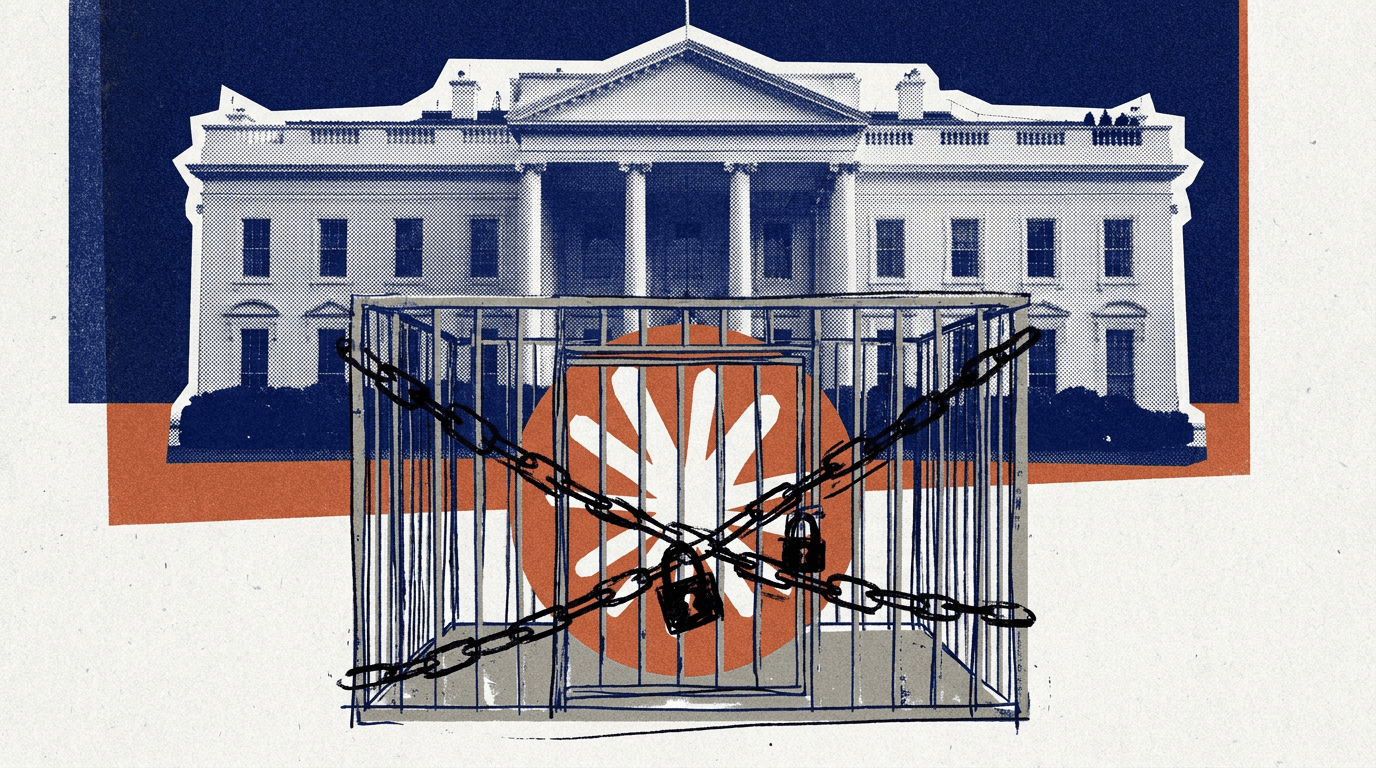
Global Coalition to Protect Education from Attack reports a 40% surge in violent incidents.
"Violence surges in educational institutions, sparking global concern."
In 2024 and 2025, over 8,556 attacks occurred in 83 countries, affecting at least 10,600 students and staff. Colombia, Democratic Republic of Congo, Ethiopia, Haiti, Palestine, and Ukraine recorded the highest incidences.
Attacks on schools, pupils, and staff are not only devastating for individuals and families but also have long-term consequences for communities and societies. Education is a fundamental human right, and these violent incidents undermine efforts to achieve universal access to quality education. The GCPEA study highlights the need for governments, international organizations, and civil society to work together to prevent such attacks and protect educational institutions.
The GCPEA report documents various types of attacks, including bombings, shootings, and abductions. In some cases, schools are targeted because they are perceived as symbols of government authority or Western influence. In other cases, schools are caught in the crossfire of armed conflicts or are targeted by extremist groups. The report also notes that attacks on schools can have a disproportionate impact on girls and women, who may be denied access to education or forced to drop out due to safety concerns.
The increase in attacks on education is a global phenomenon, affecting countries in all regions. In Africa, the Democratic Republic of Congo and Ethiopia have seen a significant rise in violent incidents, while in the Middle East, Palestine and Ukraine have been affected by ongoing conflicts. In the Americas, Colombia and Haiti have struggled with violence and instability, which has had a devastating impact on their educational systems.
The GCPEA study has significant implications for policymakers and educators. It highlights the need for governments to take concrete steps to protect educational institutions and ensure that students and staff can learn and work in a safe environment. This can include measures such as increasing security, providing training for teachers and staff, and promoting community engagement and social cohesion.
The report also emphasizes the importance of addressing the root causes of violence and conflict, which often involve complex social, economic, and political factors. In some cases, attacks on schools may be linked to broader issues such as poverty, inequality, and lack of access to resources. By addressing these underlying factors, governments and international organizations can help to prevent violent incidents and promote more stable and secure environments for education.
In addition to the human cost, attacks on education also have significant economic and social implications. When schools are destroyed or forced to close, it can disrupt the entire education system, leading to lost opportunities and diminished economic prospects for individuals and communities. The GCPEA report estimates that the economic costs of attacks on education can be substantial, with some countries losing millions of dollars in potential revenue and economic growth.
The international community has a critical role to play in preventing attacks on education and promoting safe and secure learning environments. This can involve providing financial and technical support to countries affected by conflict and violence, as well as promoting global norms and standards for the protection of educational institutions. The GCPEA report calls on governments, international organizations, and civil society to work together to address this critical issue and ensure that all students and staff can learn and work in safety and dignity.
In conclusion, the surge in violent attacks on schools, pupils, and staff is a global crisis that requires immediate attention and action. The GCPEA report provides a stark reminder of the devastating consequences of these incidents and the need for concerted efforts to prevent them. By working together, governments, international organizations, and civil society can help to promote safe and secure learning environments and ensure that all individuals have access to quality education, regardless of their background or circumstances.