Trump may release US-Iran deal before Friday, Vance says
"Tensions rise as details emerge, allies await clarification."
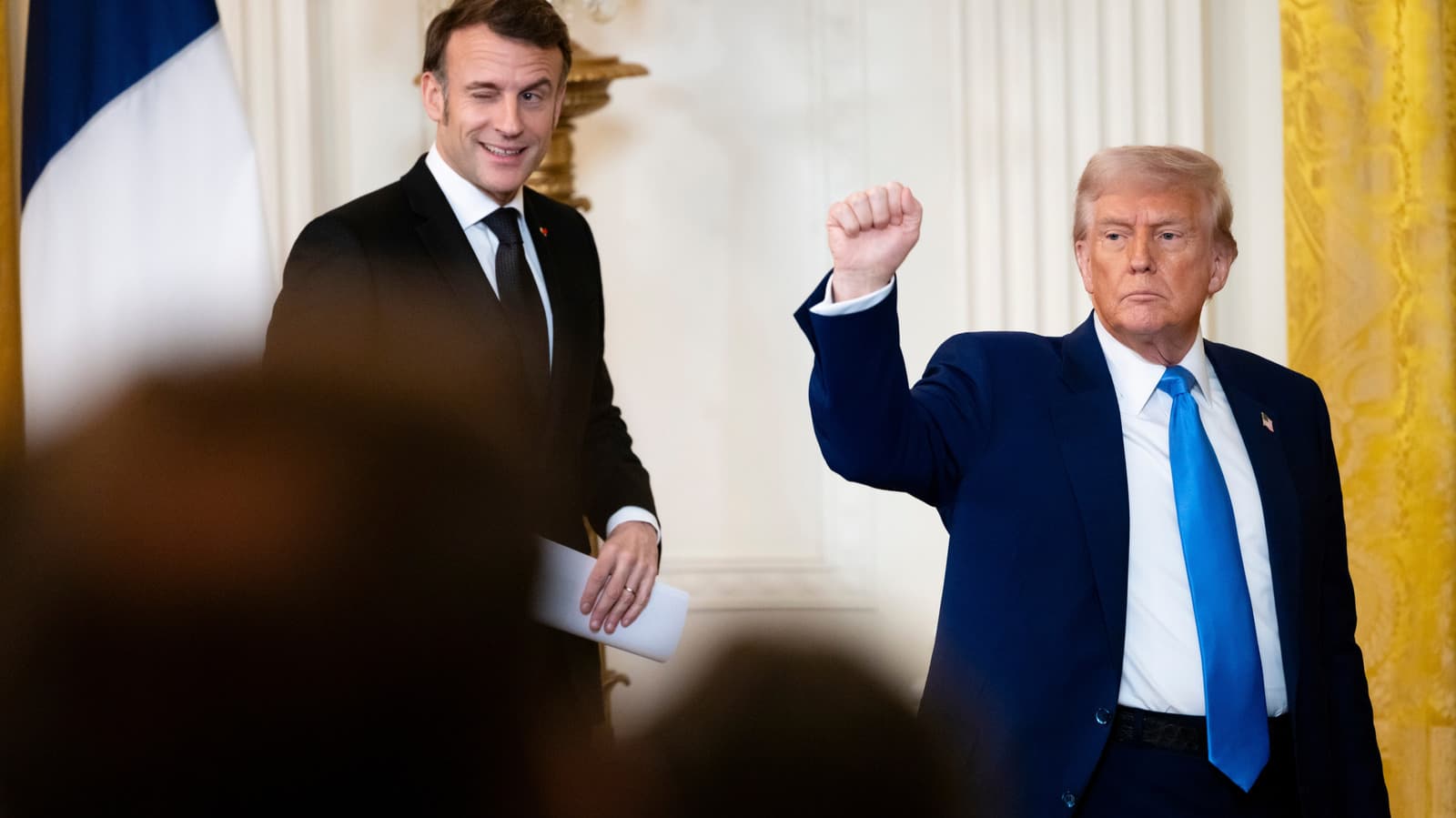
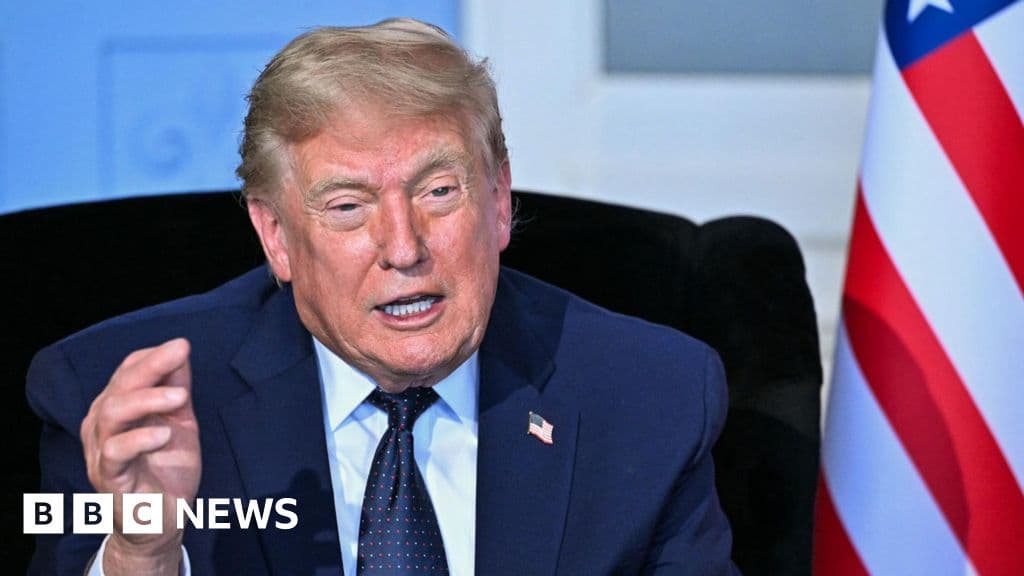
Donald Trump may release a US-Iran deal before Friday, according to US Vice-President JD Vance. Trump, attending the G7 summit in France, said the agreement had already been signed.
The memorandum of understanding between the US and Iran is described by Vance as "about a page and a half" and a "very general" document. Senior US officials have begun giving some details about the deal, briefing that the Strait of Hormuz would re-open on Friday - the same day the deal is formally inked in Geneva.
Technical talks on Iran's nuclear programme are expected to begin this week, with any sanctions relief or release of assets depending on Iran meeting commitments under the deal. Vance told Fox News the US president might decide to release the agreement with Tehran before Friday's ceremony.
In an interview with CNN's Jake Tapper, Vance said the memorandum of understanding was a very general document, adding that many details would be worked out during future negotiations. The document outlines Iran's commitment to "regional peace and stability", including stopping the funding of "terrorist organisations" and a verifiable commitment to not building a nuclear weapon.
G7 allies will be eager to discuss Iran with Trump, with the UK and France having led plans for a defensive mission to protect vessels in the Strait of Hormuz. Trump said he did not believe the US would "need much help" in ensuring the free passage of shipping but added he did not think it was "a bad idea to have a ship or two" from other countries based in the strategic waterway.
The deal will extend a ceasefire for another 60 days, during which the sides will negotiate details of a final agreement. Pakistan's Prime Minister Shehbaz Sharif, whose nation had been mediating, said it included "the immediate and permanent termination of military operations on all fronts, including in Lebanon".
US officials said that while Lebanon was covered by the ceasefire framework, the withdrawal of Israeli forces from Lebanese territory was not a condition of the deal. Israel would retain the right to self-defence, they added. Israeli Prime Minister Benjamin Netanyahu said on Monday evening that Israeli forces would remain in security zones in Lebanon, Syria and Gaza "as long as necessary", and retain the freedom to act against attacks.
He also told a news conference Iran would not be allowed to obtain nuclear weapons, with or without a deal. Netanyahu was speaking after Lebanese media reported a deadly Israeli strike on a car in the south - the first since the peace deal was announced. Hezbollah said it had fired missiles and drones at Israeli forces in return.
Trump on Sunday said he had ordered the immediate removal of a US naval blockade of Iranian ports and added that the Strait of Hormuz would be opened when the initial agreement was signed. He claimed on social media that "ships are starting to move, many loaded up with Oil, out of the Strait".
The US-Iran deal has significant implications for the region and the world. The agreement could potentially reduce tensions between the US and Iran, and lead to a more stable Middle East. However, the deal also faces significant challenges, including the possibility of opposition from Israel and other regional actors.
The role of Pakistan in mediating the deal is also noteworthy. Pakistan's Prime Minister Shehbaz Sharif has been instrumental in bringing the two sides together, and his country's efforts have been praised by both the US and Iran. The deal is a significant achievement for Pakistan, and demonstrates its ability to play a key role in regional diplomacy.
As the details of the deal emerge, it is clear that there is still much work to be done. The technical talks on Iran's nuclear programme will be crucial in determining the success of the agreement, and the US and Iran will need to work closely together to ensure that the deal is implemented effectively. The international community will be watching closely, and the success of the deal will have significant implications for global security and stability.
In the coming days and weeks, the US and Iran will need to navigate the complex web of regional politics and diplomacy. The deal will face opposition from some quarters, and the US and Iran will need to work hard to build support and ensure that the agreement is implemented successfully. The US-Iran deal is a significant step forward, but it is only the beginning of a long and challenging process.
The deal has also sparked a debate about the role of the US in the region. Some have argued that the deal marks a significant shift in US policy, and that the US is now taking a more conciliatory approach to Iran. Others have argued that the deal is a sign of US weakness, and that the US is giving too much away to Iran.
The truth is likely somewhere in between. The US-Iran deal is a complex and multifaceted agreement, and it is impossible to reduce it to simple soundbites or slogans. The deal is a significant achievement, but it is also a work in progress. The US and Iran will need to work closely together to ensure that the deal is implemented effectively, and the international community will be watching closely to see how the agreement plays out.
As the world waits to see what the future holds for the US-Iran deal, one thing is clear: the agreement has the potential to be a game-changer for the region and the world. The deal could lead to a more stable and secure Middle East, and it could also pave the way for greater cooperation and diplomacy between the US and Iran. However, the deal also faces significant challenges, and it will require careful navigation and diplomacy to ensure that it is implemented successfully.
The US-Iran deal is a significant step forward, but it is only the beginning of a long and challenging process. The US and Iran will need to work hard to build support and ensure that the agreement is implemented effectively. The international community will be watching closely, and the success of the deal will have significant implications for global security and stability.
In conclusion, the US-Iran deal is a complex and multifaceted agreement that has the potential to be a game-changer for the region and the world. The deal could lead to a more stable and secure Middle East, and it could also pave the way for greater cooperation and diplomacy between the US and Iran. However, the deal also faces significant challenges, and it will require careful navigation and diplomacy to ensure that it is implemented successfully. The world will be watching closely to see how the agreement plays out, and the success of the deal will have significant implications for global security and stability.