The Download: soccer’s data renaissance and China’s big nuclear plans
"China's rapid nuclear expansion sparks concerns about safety and environmental impact."
Jesse Davis, a professor at KU Leuven in Belgium, is changing soccer with data analytics. However, in a different field, China is making significant strides in nuclear power, with nearly 60 gigawatts of total power capacity. The country has almost doubled its nuclear fleet since 2016 and is on track to overtake the US and EU in installed nuclear capacity by 2030.
China's nuclear expansion is driven by its need for clean and reliable energy sources. The country aims to reduce its dependence on fossil fuels and lower its carbon emissions. Nuclear power provides a viable alternative, but it also poses significant safety and environmental risks. China's rapid nuclear expansion has sparked concerns about the country's ability to ensure the safe operation of its reactors.
The construction of new reactors in China is a complex and challenging process. It requires significant investment and expertise. China has been able to move ahead rapidly due to its large-scale construction projects and significant investment in the sector. The country's nuclear industry is dominated by state-owned enterprises, which have the resources and expertise to undertake large-scale projects.
The implications of China's nuclear expansion are significant. The country's growing nuclear capacity will reduce its dependence on fossil fuels and lower its carbon emissions. However, it also poses significant safety and environmental risks. China's nuclear expansion has sparked concerns about the country's ability to ensure the safe operation of its reactors and manage the disposal of nuclear waste.
In addition to its nuclear expansion, China is also investing in other clean energy sources, such as solar and wind power. The country aims to reduce its carbon emissions and become a leader in the clean energy sector. China's investments in clean energy have sparked significant interest and investment from other countries, and the country is poised to become a major player in the global clean energy market.
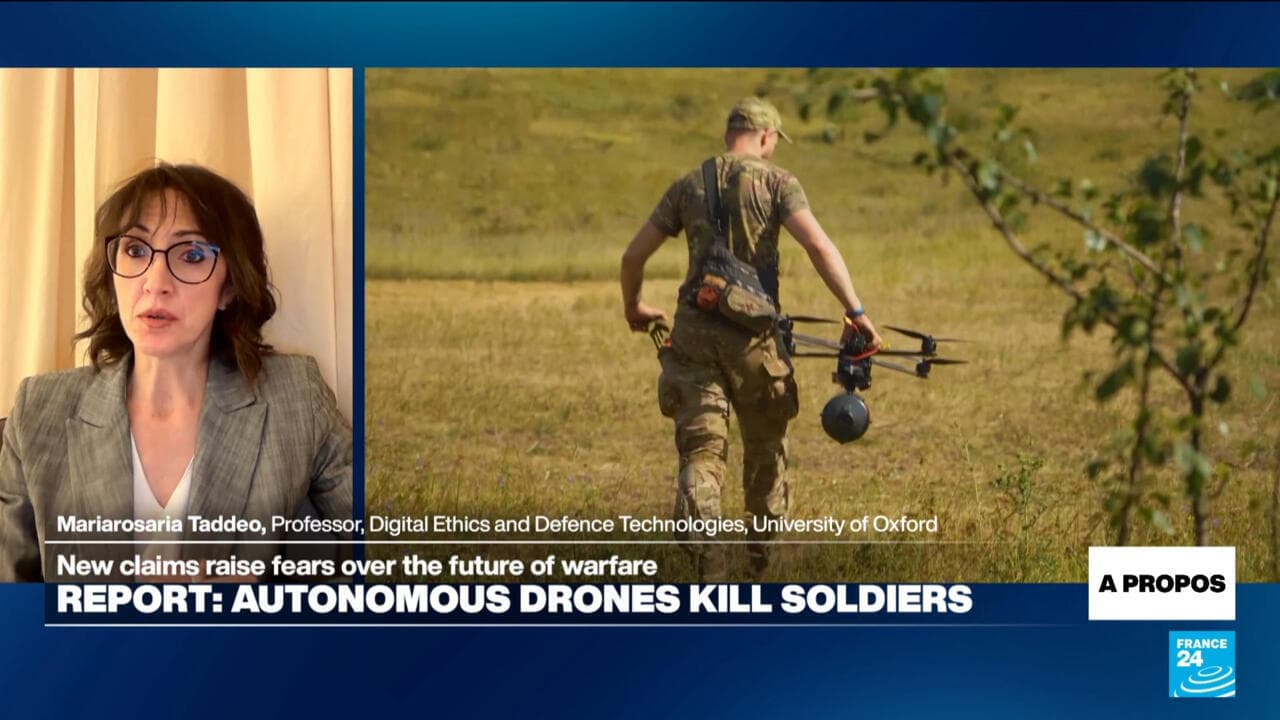
The use of autonomous drones in warfare is also becoming increasingly prevalent. A drone-maker has reported that Russian troops were killed in a test, marking the first time that autonomous drones may have been used to kill soldiers. The use of autonomous drones in warfare raises significant ethical and safety concerns. It also poses significant challenges for military commanders, who must ensure that the use of autonomous drones is in line with international humanitarian law.
In the US, solar power has finally surpassed coal in electricity generation. The shift towards solar power is driven by the declining cost of solar panels and the increasing demand for clean energy. The US is also investing in other clean energy sources, such as wind power, and is poised to become a leader in the clean energy sector.
The growth of solar power in the US has significant implications for the country's energy sector. It will reduce the country's dependence on fossil fuels and lower its carbon emissions. However, it also poses significant challenges for the coal industry, which is facing declining demand and significant job losses.
In conclusion, China's nuclear expansion and the growth of solar power in the US are significant developments in the energy sector. They pose significant challenges and opportunities for countries around the world. As the world transitions towards a low-carbon economy, it is essential to ensure that the growth of clean energy sources is sustainable and equitable. This will require significant investment and cooperation between countries, as well as a commitment to ensuring the safe and responsible use of new technologies.