Trump says Iran peace deal is near after threatening new strikes
"Tensions ease as ceasefire extension nears. US-Iran conflict teeters on brink of escalation."
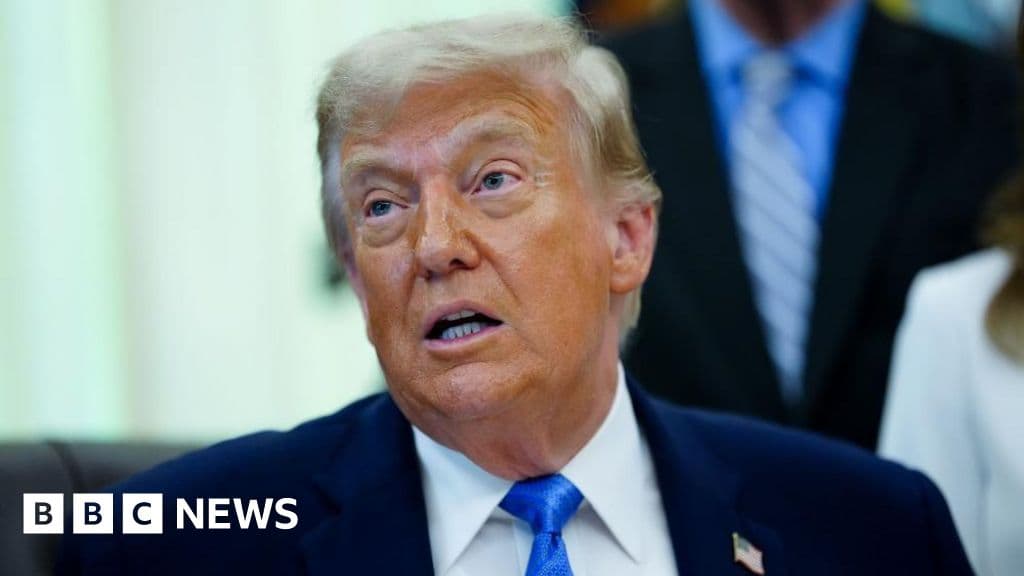
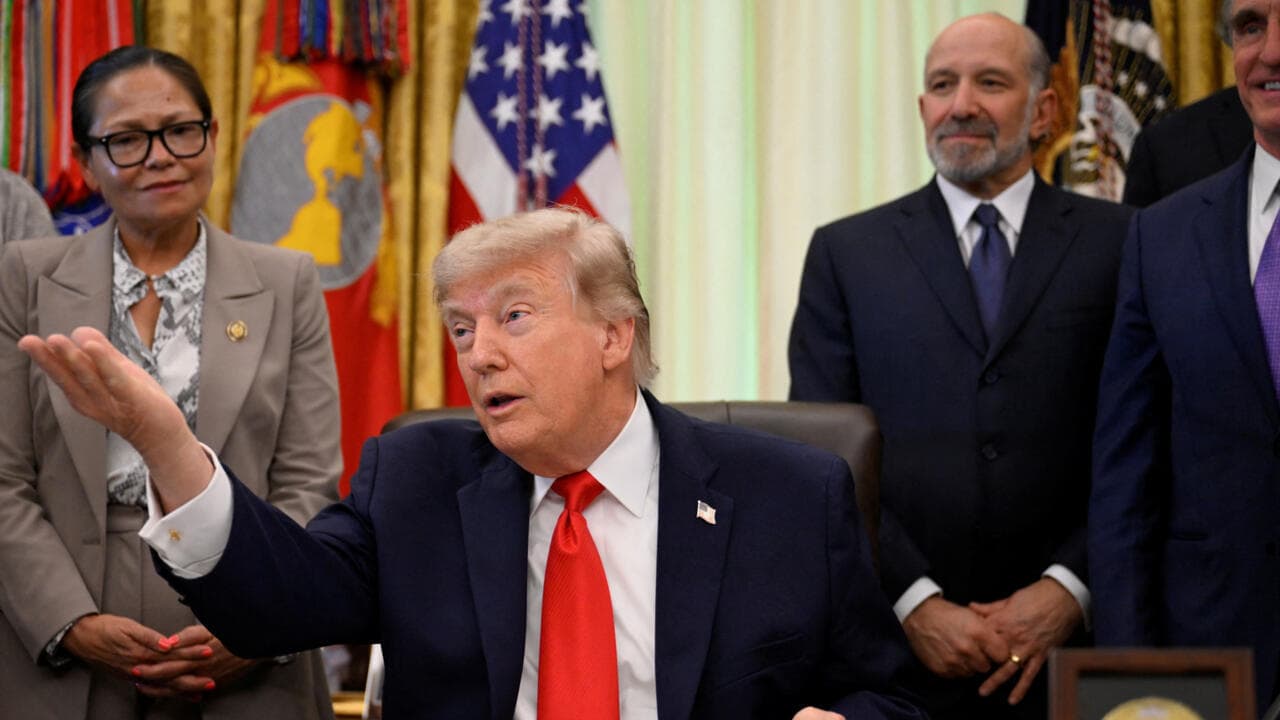
US President Donald Trump halted plans for new military strikes on Iran Thursday, citing progress in negotiations to extend a fragile ceasefire. Trump made the announcement in an Oval Office event, saying "we just made a great settlement of the war with Iran."
The sudden shift in tone came just hours after Trump threatened to intensify the conflict by targeting Iran's oil industry. In a social media post, Trump said the US would hit Iran "VERY HARD TONIGHT" and take "total control" of its oil and gas industries. However, in a subsequent post, Trump revealed that significant points in the negotiations had been brought to the highest level of Iranian leadership and approved.
The conflict between the US and Iran began on February 28, when the two countries, along with Israel, launched a joint attack on Iran. The main reason cited for the attack was Iran's nuclear program, which the US and Israel fear could lead to an atomic weapon. However, Tehran maintains that its nuclear program is for peaceful purposes.
A spokesperson for Iran's Foreign Ministry, Esmail Baghaei, said in a live phone call on state television that mediators were active and nothing had been finalized to end the conflict. Baghaei added that the text of a deal was "mostly finalized," but contradictions in America's position had caused turbulence in the process.
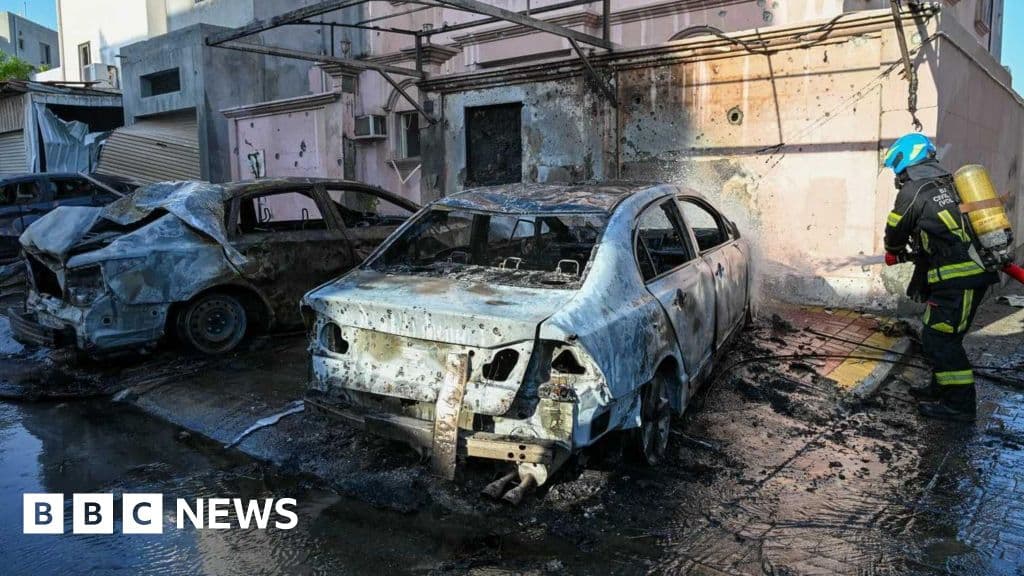
The US and Iran have been engaged in back-and-forth attacks over the past two days, pushing the Middle East closer to the resumption of a full-scale war. The US strikes began after Trump blamed Iran for downing an American attack helicopter near the Strait of Hormuz. Both pilots were rescued safely.
Iran's Foreign Ministry said the US attacks had "effectively rendered the ceasefire... meaningless," without saying it was abandoning it. After Trump threatened more attacks, Iran's parliamentary speaker, Mohammad Bagher Qalibaf, responded on social media that "wrong strategies and impulsive decisions" would wreak havoc on energy markets and "create an endless quagmire."
The announcement of a potential peace deal has been met with skepticism, given Trump's history of making similar claims without anything coming to fruition. However, the extension of the ceasefire gives US leaders more time to negotiate over Iran's nuclear program. A major sticking point in negotiations has been Iran's stranglehold on the Strait of Hormuz, a critical shipping lane for transporting oil and natural gas.
Trump's rapid shift from dire threats to promoting peace negotiations again underscores his whipsaw approach to the war. The US President has suggested on multiple occasions that a deal to end the conflict could be reached in a matter of days, only to be followed by back-and-forth strikes that rattled the Middle East.
As the situation continues to unfold, the international community remains on high alert, watching for any signs of escalation or de-escalation. The conflict has already had significant implications for global energy markets, with oil prices rising in response to the attacks. A prolonged conflict could have far-reaching consequences for the global economy, making a peaceful resolution essential.
In the coming days, the world will be watching to see if the US and Iran can finalize a deal to extend the ceasefire and potentially end the conflict. With the stakes high and the situation precarious, one thing is certain - the road to peace will be long and difficult, requiring careful negotiation and diplomacy from all parties involved.
The US-Iran conflict has also raised questions about the role of other countries in the region, particularly Israel, which has been a key player in the conflict. The Israeli government has been a strong supporter of the US actions, and has itself been involved in attacks on Iranian targets.
As the conflict continues, there are concerns about the humanitarian impact, particularly on civilians in Iran and other countries in the region. The UN and other international organizations have called for a peaceful resolution to the conflict, and have offered to provide assistance to those affected.
In conclusion, the situation between the US and Iran remains volatile, with the potential for escalation or de-escalation at any moment. While the announcement of a potential peace deal is a positive development, it is clear that there are still many challenges to overcome before a lasting peace can be achieved. The international community will be watching closely in the coming days, hoping for a peaceful resolution to the conflict.