Trump says he 'loves the inflation' as US prices rise at fastest rate in three years
"President Trump's remarks on inflation spark controversy as prices soar. His comments come amid escalating conflict in Iran."
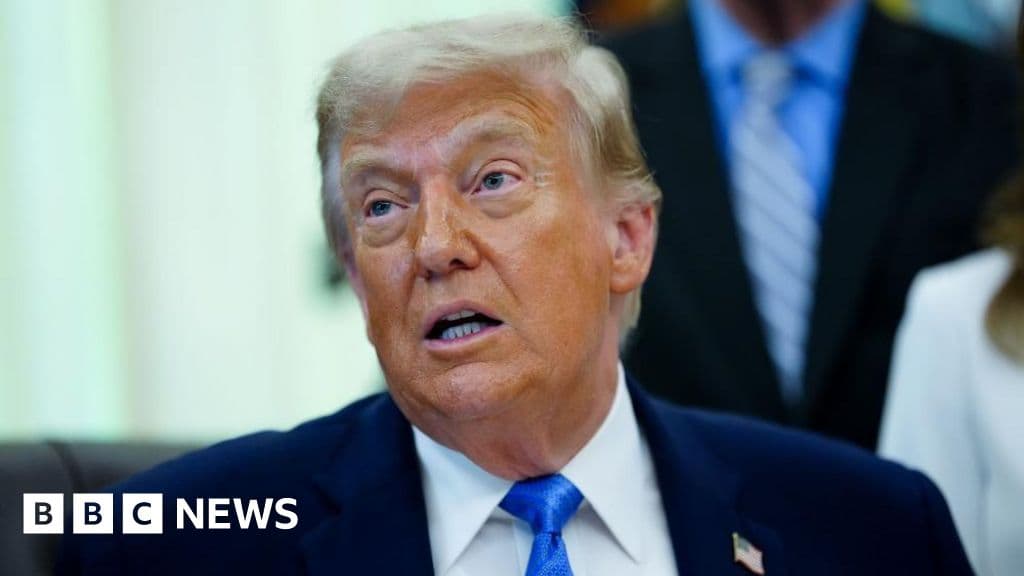
President Donald Trump sparked controversy on Wednesday when he said he "loves the inflation" as US prices rose at their fastest rate in three years. The Bureau of Labor Statistics (BLS) reported that prices increased by 4.2% in May from a year earlier, driven by rising energy costs in the wake of the US-Israel war in Iran.
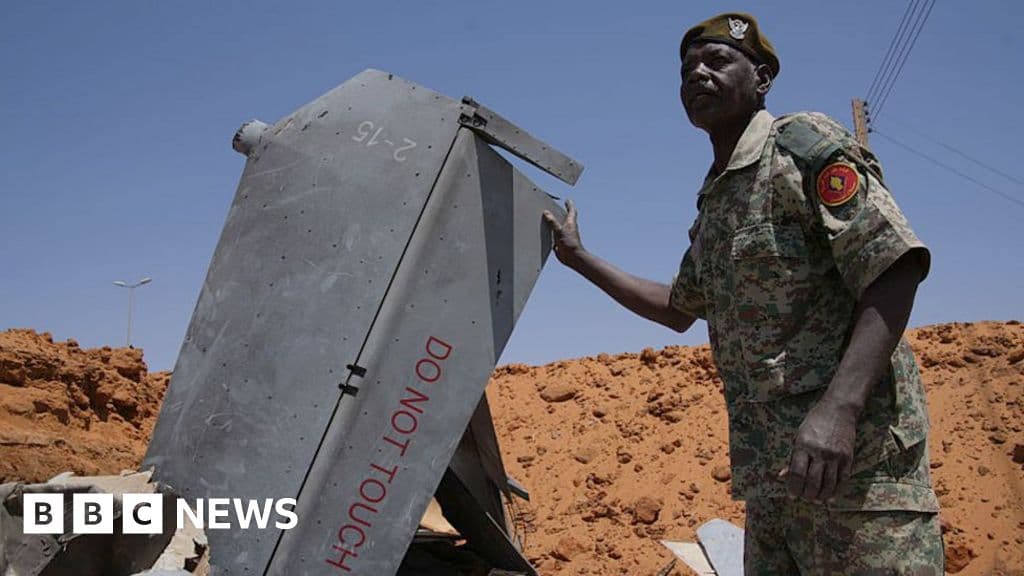
The conflict in Iran has been ongoing for over three months, with both sides exchanging fire despite a ceasefire that took effect in April. The war has led to a significant increase in oil prices, with the average price of a gallon of regular petrol in the US currently standing at $4.15, a sharp increase from $2.98 on February 28, when Trump launched strikes on Iran.
Trump's remarks on inflation were met with criticism from opponents, with Senate Democratic Leader Chuck Schumer posting on social media that the president's "contempt for you knows no bounds." The president's comments were also seen as inconsistent with his previous statements on inflation, which he has said is only a temporary issue that will resolve itself once the war in Iran is over.
The rise in inflation poses a challenge for Trump ahead of the midterm elections in November, with voters ranking the economy as a top concern. Higher inflation also increases the likelihood of the US Federal Reserve raising interest rates in a bid to curtail spending. The Fed's long-term inflation target is 2%, and economists have warned that it could take until 2027 for the normal flow of goods through the Strait of Hormuz to be restored, even with a swift resolution to the Iran war.
The BLS figures also pointed to the increasing cost of plane tickets, personal and medical care, recreation, and communication. The Consumer Price Index (CPI) is a measure of how much prices have risen in a given month compared to the same month a year prior. The CPI has risen for the third month in a row, with households increasingly feeling the strain of the war in Iran.
Trump has previously said that cutting inflation would be at the heart of his agenda, but his remark on Wednesday appearing to embrace rising prices has raised questions about his commitment to addressing the issue. The president's comments have also been seized upon by opponents, who argue that his policies are exacerbating the problem of inflation.
The conflict in Iran has had a significant impact on the global economy, with the price of oil rising sharply since the start of the war. The US military has launched strikes on Iran for the second time in as many days, and the situation remains volatile. The war has also led to a significant increase in energy bills, with households facing higher costs for gas and electricity.
The impact of the war on the economy is likely to be a major issue in the upcoming midterm elections, with voters looking for answers on how to address the rising cost of living. Trump's remarks on inflation have added to the controversy surrounding the issue, and it remains to be seen how the president will respond to the growing concerns about the economy.
In the meantime, the US Federal Reserve is set to make its first interest rate decision under the new governor, Kevin Warsh, next week. The decision will be closely watched, as higher inflation increases the likelihood of a rate hike. The Fed's long-term inflation target is 2%, and the central bank's board will be looking for signs that the economy is cooling down before making a decision on interest rates.
The situation in Iran remains uncertain, and it is unclear when the conflict will be resolved. In the meantime, the US economy will continue to feel the effects of the war, with households facing higher costs for energy, food, and other essentials. Trump's remarks on inflation have added to the controversy surrounding the issue, and it remains to be seen how the president will respond to the growing concerns about the economy.
As the situation continues to unfold, one thing is clear: the conflict in Iran has had a significant impact on the US economy, and it will be a major issue in the upcoming midterm elections. The rise in inflation has added to the concerns about the economy, and it remains to be seen how the president and the Federal Reserve will respond to the challenge. With the economy ranked as a top concern by voters, the outcome of the midterm elections will depend on how the issue is addressed.