Ted Cruz and Ron Wyden try to fight censorship with bipartisan JAWBONE Act
"Federal officials may face lawsuits over censorship attempts, sparking debate on free speech."
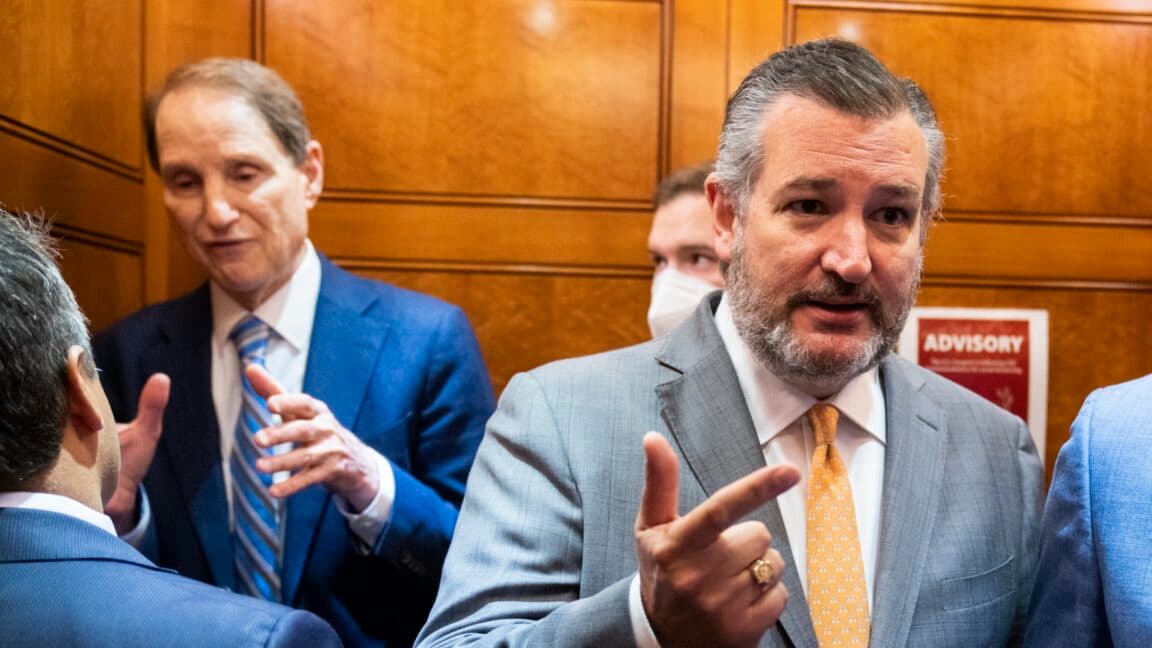
Senators Ted Cruz and Ron Wyden introduced the JAWBONE Act in Washington, D.C., to combat government censorship. The proposed law aims to hold federal agencies and employees accountable for coercing broadcasters, tech platforms, and AI services into restricting speech. This bipartisan effort comes as concerns about government overreach and First Amendment violations escalate.
The JAWBONE Act, or Justice Against Weaponized Bureaucratic Overreach to Networked Expression Act, would create a private right of action for victims of "jawboning," allowing individuals to recover compensatory damages in court. Jawboning refers to the government's practice of pressuring private companies to censor speech protected by the First Amendment. This tactic can be employed by government officials to silence critics, sway public opinion, or suppress dissenting voices.
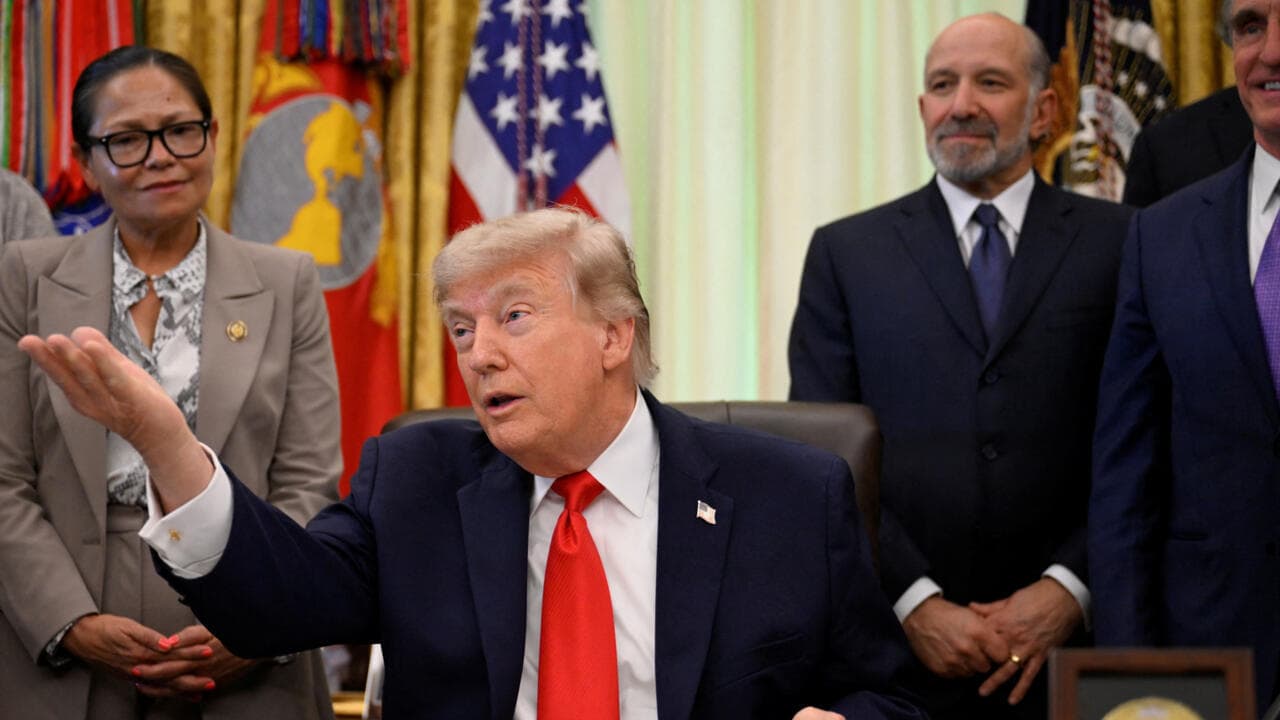
According to Cruz and Wyden, jawboning is a pervasive issue that transcends party lines. The senators pointed to examples of government pressure on TV networks, social media firms, and AI chatbot makers. Cruz criticized the Biden administration for using the Cybersecurity and Infrastructure Security Agency to pressure Big Tech into canceling Americans who spoke out against vaccine mandates and election fraud. Wyden, on the other hand, highlighted Trump's attempts to censor late-night TV shows, demonstrating that jawboning is a bipartisan concern.
The JAWBONE Act would apply to various scenarios, including the Trump administration's pressure on app stores to remove certain apps. The bill summary notes that under current legal precedent, plaintiffs must prove that coercion succeeded in causing removal or changes to content. The proposed law would allow plaintiffs to sue and obtain financial damages from government agencies or employees that engage in jawboning, regardless of whether the coercion succeeds.
The bill's provisions are designed to promote transparency and accountability. It requires government agencies to submit certain communications with social media companies, AI companies, and broadcasters to a public portal, providing detailed summaries and full access for Congress. This measure would help individuals prove that their rights were violated and prevent secret jawboning.
The introduction of the JAWBONE Act has significant implications for the debate on free speech and government overreach. As technology continues to evolve and play a larger role in modern life, the need to protect citizens' rights to express themselves freely becomes increasingly important. The proposed law could fuel lawsuits against federal officials who attempt to coerce private companies into restricting speech, potentially leading to a shift in the balance of power between the government and citizens.
In the context of the current social media landscape, the JAWBONE Act could have far-reaching consequences. Social media platforms have become essential channels for public discourse, and government pressure on these platforms can have a profound impact on the flow of information. By creating a private right of action for victims of jawboning, the proposed law could empower individuals to challenge government overreach and protect their right to free speech.
The bipartisan nature of the JAWBONE Act is notable, as it suggests that concerns about government censorship and jawboning are shared across party lines. The collaboration between Cruz and Wyden demonstrates that there is common ground to be found on issues related to free speech and government accountability. As the bill moves forward, it will be important to monitor its progress and assess its potential impact on the ongoing debate about the role of government in regulating speech.
Ultimately, the JAWBONE Act represents a crucial step towards protecting citizens' rights to free speech and promoting government accountability. By providing a mechanism for individuals to challenge government overreach and seek damages for jawboning, the proposed law could help to safeguard the integrity of public discourse and ensure that the government does not abuse its power to suppress dissenting voices. As the bill navigates the legislative process, its provisions and implications will likely be subject to intense scrutiny and debate, reflecting the complexities and challenges of balancing government authority with individual rights in the digital age.