Here’s how G7 leaders manage delicate relationships with Trump
"Tensions rise as leaders await Trump's next move. Global stability hangs in balance."
G7 leaders met in France with President Trump, sparking discussions on US-Iran agreements and Ukraine war. Trump's presence dominated the summit, as European leaders sought clarity on his administration's policies. The meeting came amid rising tensions between the US and Iran, with Trump's tentative deal sparking both hope and skepticism.
European leaders, including German Chancellor Angela Merkel and French President Emmanuel Macron, pushed for a unified approach to the US-Iran peace process. However, Trump's unpredictable nature and tendency to contradict his own administration's stance made it challenging for other leaders to discern a clear strategy. The G7 summit, typically a platform for showcasing global cooperation, highlighted the difficulties of navigating Trump's mercurial diplomacy.
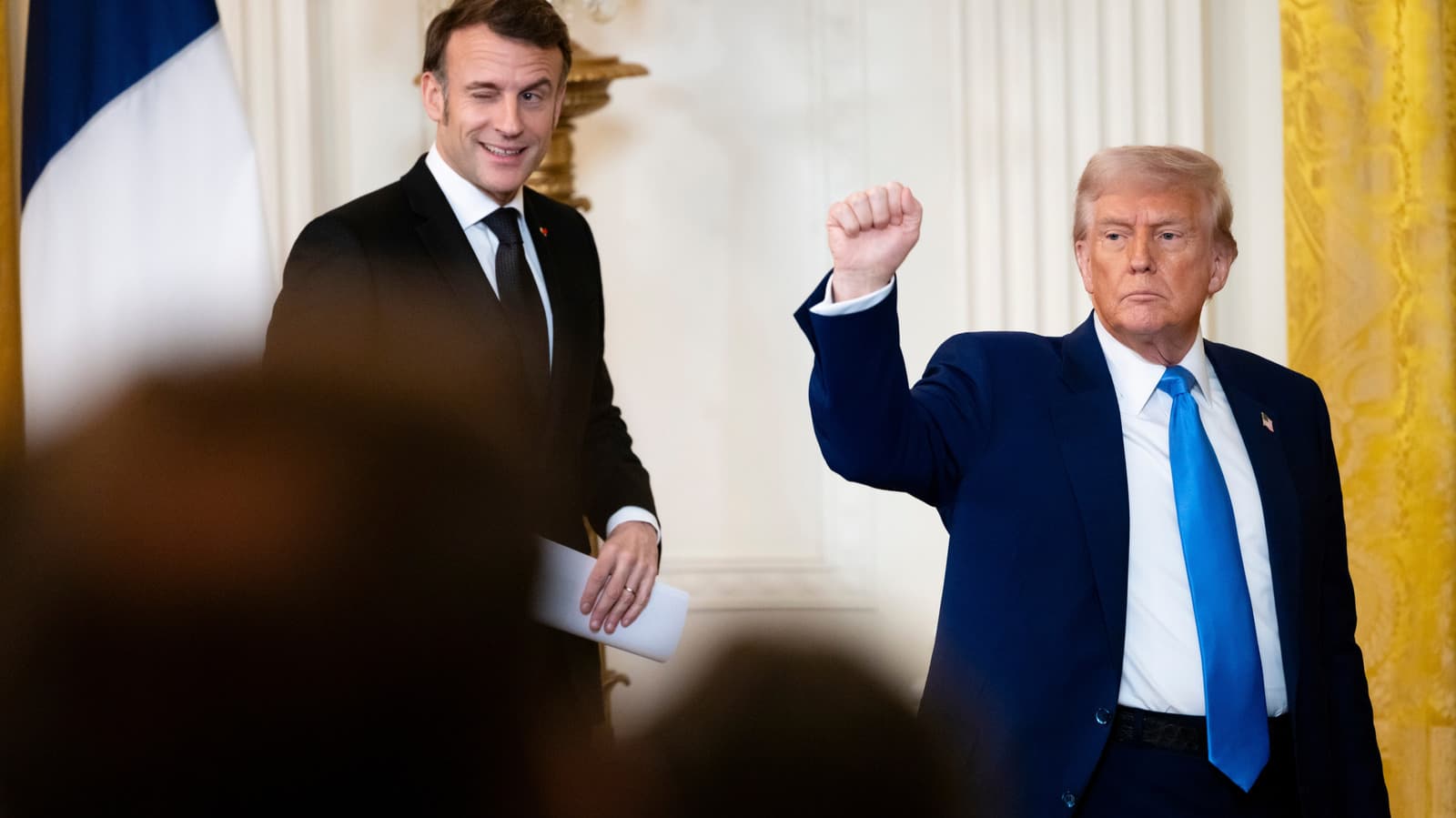
As the world watched, Trump participated in a group photo with world leaders, a symbolic gesture of unity. Yet, behind the scenes, leaders were engaged in intense discussions, trying to grasp the implications of Trump's policies. The US-Iran agreement, in particular, posed significant questions about the future of Middle East stability and the role of the US in the region.
The G7 meetings also focused on the ongoing Ukraine war, with leaders calling for a peaceful resolution. Trump's relationship with Russian President Vladimir Putin added another layer of complexity to the discussions, as some leaders expressed concerns about the US president's perceived closeness to the Russian leader.
In the midst of these high-stakes negotiations, European leaders attempted to weigh in on the US-Iran peace process. Macron, in particular, played a key role, seeking to facilitate dialogue between the US and Iran. The French president's efforts reflected a broader European desire to mitigate the risks of a US-Iran conflict and promote regional stability.
As the G7 summit drew to a close, leaders awaited clarity on Trump's next move. The US president's tendency to announce major policy decisions via Twitter added an air of unpredictability to the proceedings. Despite the challenges, the G7 leaders recognized the importance of maintaining a unified front, even in the face of significant disagreements. The summit served as a reminder that, in an increasingly complex and interconnected world, cooperation and diplomacy remained essential tools for addressing global challenges.
The implications of the G7 summit extended far beyond the immediate context of US-Iran relations or the Ukraine war. The meeting highlighted the shifting dynamics of global power and the evolving role of the US in international affairs. As Trump's presidency continued to redefine American foreign policy, other nations were forced to adapt and respond.
In this environment, the G7 summit played a crucial role in facilitating dialogue and promoting cooperation. Despite the difficulties posed by Trump's presidency, the meeting demonstrated that, even in times of significant disagreement, world leaders could come together to address common challenges. The summit's outcome, while uncertain, reflected a broader recognition that, in a rapidly changing world, collaboration and diplomacy remained essential for building a more stable and prosperous future.
As the world moved forward from the G7 summit, one thing was clear: the delicate relationships between Trump and other world leaders would continue to shape the course of global events. The US president's unique approach to diplomacy, marked by a mix of unpredictability and transactionalism, posed significant challenges for other nations. Yet, even in the face of these difficulties, the G7 summit demonstrated that, through careful diplomacy and a commitment to cooperation, world leaders could navigate the complexities of the modern era and build a more peaceful and stable world.