Latest U.S. strike on alleged drug boat kills 1, leaves 2 survivors, Pentagon says
"Tension rises as strikes spark controversy, criticism mounts."
US military targeted a boat in the eastern Pacific Ocean on Tuesday, killing one and leaving two survivors. The strike is part of the Trump administration's campaign against alleged traffickers in Latin America.
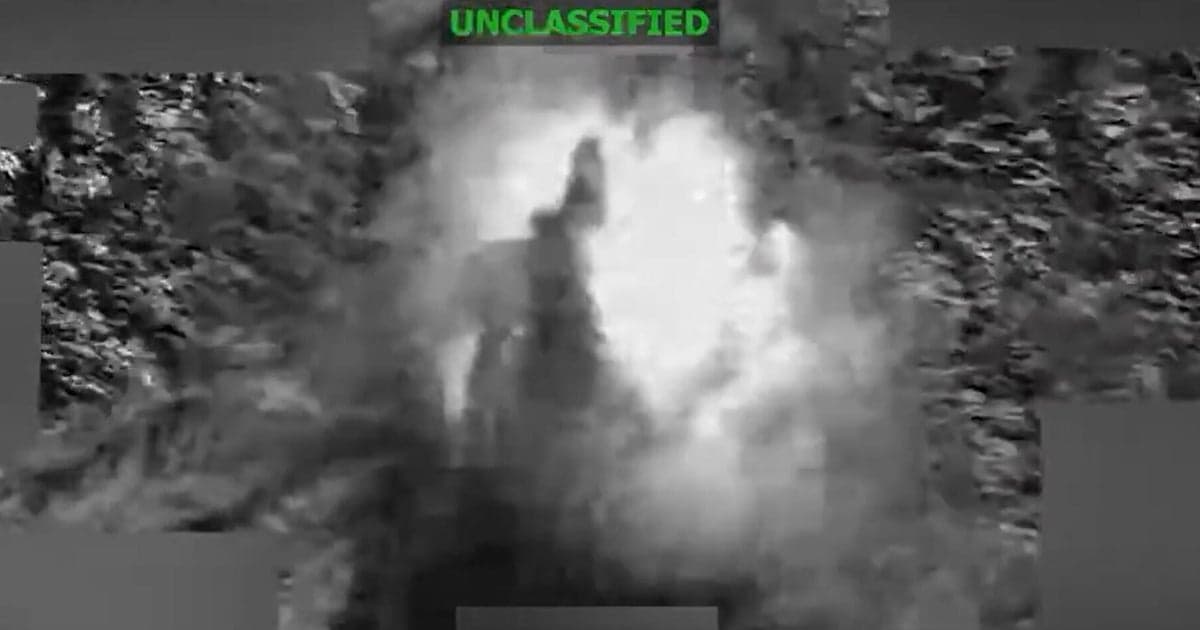
The latest attack brings the death toll to at least 208 since the campaign began in early September. US Southern Command stated that the strike targeted alleged drug traffickers along known smuggling routes, but did not provide evidence that the vessel was ferrying drugs. A video posted online showed a boat traveling in the water before being hit by the strike and bursting into flames.
President Trump has said the US is in "armed conflict" with cartels in Latin America, justifying the attacks as a necessary escalation to stem the flow of drugs into the United States and fatal overdoses claiming American lives. However, critics have questioned the overall legality of the boat strikes and their effectiveness. The strikes have drawn intense scrutiny from some Democratic lawmakers and military legal scholars.
The US military's first strike in early September drew particular concern from some lawmakers and those who study military law. Two men on the boat initially survived the attack that killed nine others, and they were clinging to the wreckage when the vessel was struck again, killing them. The White House confirmed the follow-up strike, insisting it was done "in self-defense" to ensure the boat was destroyed and in accordance with the laws of armed conflict.
Some legal scholars said a second strike killing survivors would have been illegal under any circumstance, armed conflict or not. The Pentagon's watchdog said in May that it plans to look into whether the US military followed an established targeting framework when carrying out the strikes. However, the evaluation is focused specifically on what's known as the six-phase Joint Targeting Cycle and not on the legality of the strikes.
The Trump administration's campaign against alleged traffickers in Latin America has been marked by controversy and criticism. Many have questioned the effectiveness of the boat strikes, given that the fentanyl behind many fatal overdoses is typically trafficked to the US over land from Mexico, where it is produced with chemicals imported from China and India.
As the US military continues its campaign against alleged drug traffickers, the implications of the strikes are far-reaching. The attacks have sparked a heated debate about the legality and effectiveness of the strikes, with some arguing that they are a necessary measure to combat the flow of drugs into the US, while others argue that they are a violation of international law and human rights.
The US military's actions in the eastern Pacific Ocean and Caribbean Sea have also raised concerns about the impact on civilians and the environment. The strikes have the potential to harm innocent people and cause damage to the marine ecosystem. As the US military continues its campaign, it is essential to consider the potential consequences of its actions and to ensure that they are in line with international law and human rights.
In recent months, the US military has increased its presence in the eastern Pacific Ocean and Caribbean Sea, with a focus on targeting alleged drug traffickers. The strikes have been carried out using a variety of assets, including ships, aircraft, and special operations forces. The US military has also been working with regional partners to share intelligence and coordinate efforts to combat drug trafficking.
Despite the increased efforts, the flow of drugs into the US remains a significant problem. The Trump administration has argued that the boat strikes are a necessary measure to combat the flow of drugs, but critics argue that the approach is too narrow and does not address the root causes of the problem. The administration has also been criticized for its lack of transparency and accountability in carrying out the strikes.
As the debate over the boat strikes continues, it is essential to consider the broader context of the US military's campaign against alleged drug traffickers. The campaign is part of a larger effort to combat the flow of drugs into the US, which is a complex and multifaceted problem. The US military's actions in the eastern Pacific Ocean and Caribbean Sea are just one part of a broader strategy that includes efforts to disrupt drug trafficking networks, support regional partners, and address the root causes of the problem.
The US military's campaign against alleged drug traffickers has significant implications for international relations and global security. The strikes have the potential to destabilize regional relationships and create tensions with other countries. The US military must carefully consider the potential consequences of its actions and work to ensure that they are in line with international law and human rights.
In conclusion, the US military's strike on an alleged drug boat in the eastern Pacific Ocean is part of a broader campaign against alleged traffickers in Latin America. The strike has sparked controversy and criticism, with many questioning the legality and effectiveness of the attacks. As the US military continues its campaign, it is essential to consider the potential consequences of its actions and to ensure that they are in line with international law and human rights. The US military must also work to address the root causes of the problem and support regional partners in their efforts to combat drug trafficking.