Iran sends tankers loaded with oil past US military blockade
"Tensions rise as Iranian tankers breach US blockade, carrying millions of barrels of crude oil, despite sanctions."
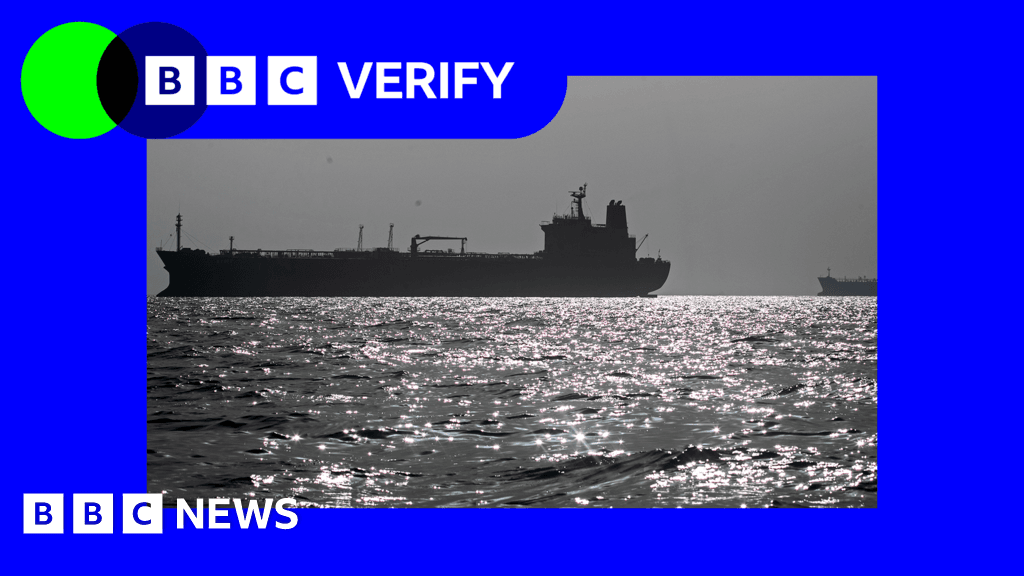
Iranian tankers have crossed the US blockade line in the Gulf of Oman, carrying a combined total of 3.8 million barrels of crude oil. The three Iran-flagged tankers, Diona, Hero II, and Sonia I, owned by the National Iranian Tanker Company, passed the blockade in the early hours of Wednesday morning.
The move comes despite the US announcing a blockade of Iranian ports, which has been in place due to long-term sanctions over fears of Iran developing nuclear weapons, supporting terrorist organizations, and alleged human rights abuses. The sanctions have severely impacted Iran's economy, with crude exports reduced to the lowest amount in six years, at 260,000 barrels per day in May.
According to ship-tracking data, two of the tankers, Hero II and Sonia I, left Iran's Chabahar port on Tuesday and sailed past the US blockade line into the Arabian Sea. The third tanker, Diona, began broadcasting its location just past the blockade line. This is the first time any of these Iranian tankers have broadcast their locations since March, and if they make it to their destination, they will be Iran's first oil exports in two months.
The US had previously announced that the blockade would remain in effect until a deal with Iran was signed, which is expected to take place in Switzerland on Friday. However, the move by the Iranian tankers suggests that Iran is confident the blockade is over, despite the US insistence that it will remain in place. Michelle Wiese Bockman, senior analyst at Windward Maritime Intelligence, stated that this is a sign that Iran is confident the blockade is over, even if the US has insisted it will be in place until Friday.
The US blockade has had a significant impact on Iran's economy, with the country's crude exports severely reduced. The blockade has also led to a significant increase in the price of oil, with the global economy feeling the effects. The move by the Iranian tankers is likely to further escalate tensions between the US and Iran, with the US having previously intercepted Iran-linked vessels in the Indian Ocean, thousands of miles from the Gulf.
The National Iranian Tanker Company, which owns the three tankers, has been sanctioned by the US Treasury, as have the ships themselves. The company has been accused of attempting to evade sanctions by using various tactics, including switching off location trackers and using fake flags. The US has warned that any attempts to breach the blockade will be met with severe consequences, including the seizure of ships and cargo.
The deal between the US and Iran, which is expected to be signed on Friday, is aimed at reducing tensions between the two countries and easing sanctions on Iran. However, the move by the Iranian tankers suggests that Iran is not willing to wait for the deal to be signed before taking action. The implications of this move are significant, with the potential to further escalate tensions between the US and Iran.
In addition to the three tankers that crossed the blockade line, another crude oil tanker owned by the National Iranian Tanker Company, Stream, stopped broadcasting its location just before the US blockade line and appears to be sailing towards Iran. The unladen tanker has been circling off the Pakistani port of Karachi since May 8, ship-tracking data shows.
The campaign and monitoring group United Against Nuclear Iran (UANI) has reported that Iranian-linked tankers and cargo ships have become noticeably more active globally since the announcement of the US deal with Iran. Two other crude oil tankers owned by the National Iranian Tanker Company, Dan and Sinopa, began broadcasting their positions in the Strait of Malacca between Malaysia and Indonesia on Tuesday. Both tankers had not been seen on publicly available ship-tracking platforms since early April and now appear to be sailing towards Iran.
The move by the Iranian tankers is a significant development in the ongoing tensions between the US and Iran. The implications of this move are far-reaching, with the potential to impact the global economy and further escalate tensions between the two countries. As the situation continues to unfold, it remains to be seen how the US will respond to the move by the Iranian tankers and what the consequences will be for both countries.